


What I Believed Was Going Wrong
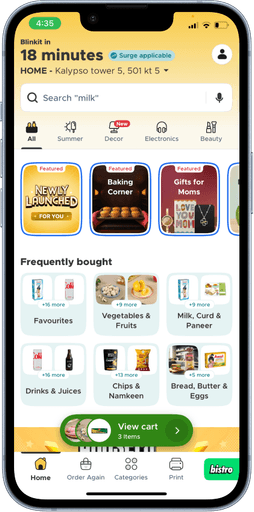
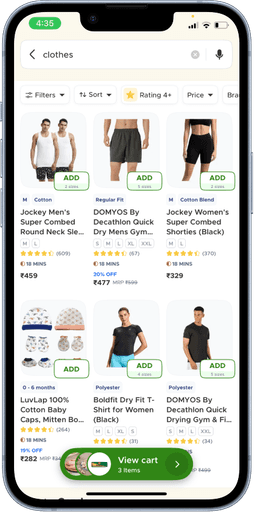
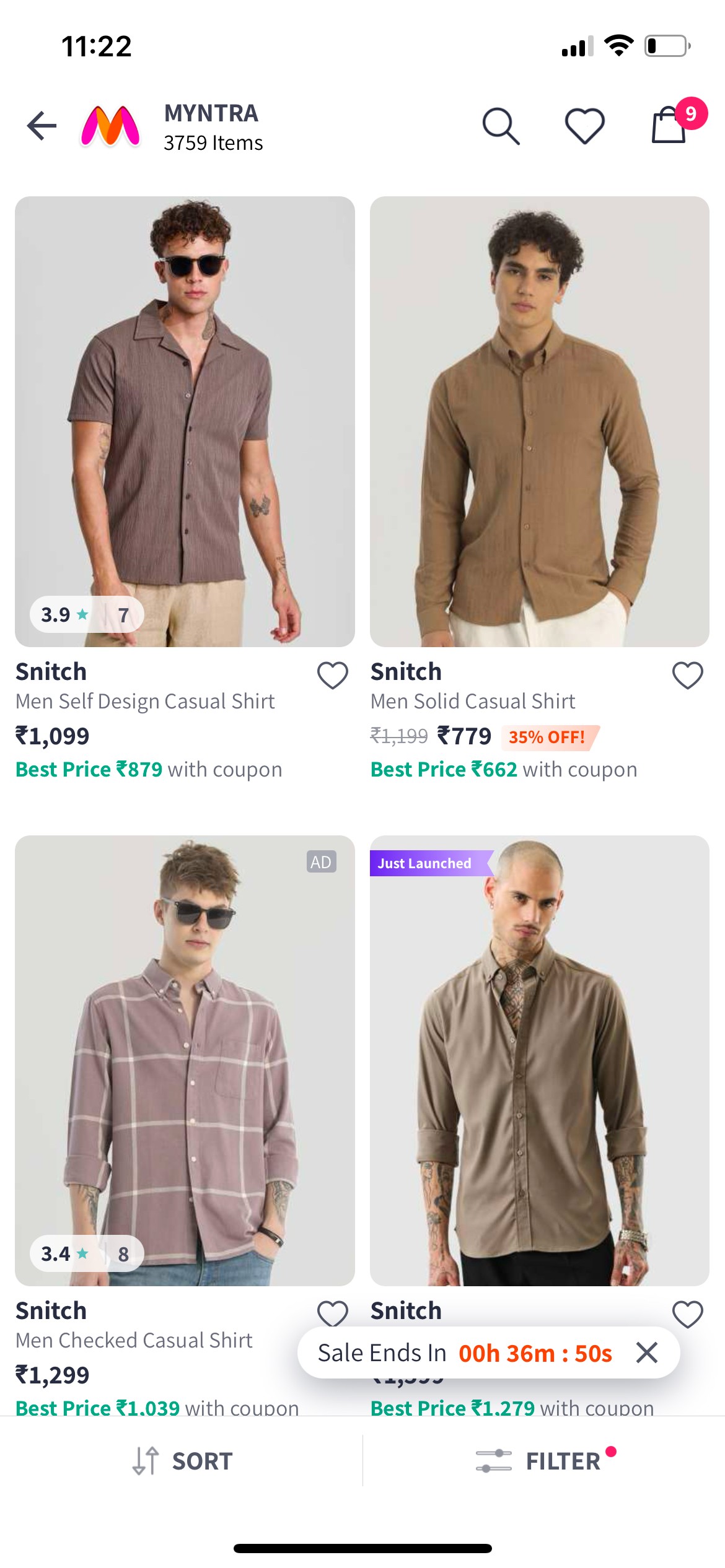
When I compared clothing apps with something as fast and seamless as BlinkIt, the gap became obvious.
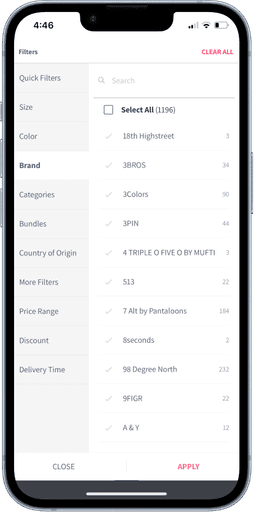
People can order groceries in seconds, but finding a single outfit can take 20–30 minutes of scrolling, filtering, and confusion.
What the Numbers Told Us
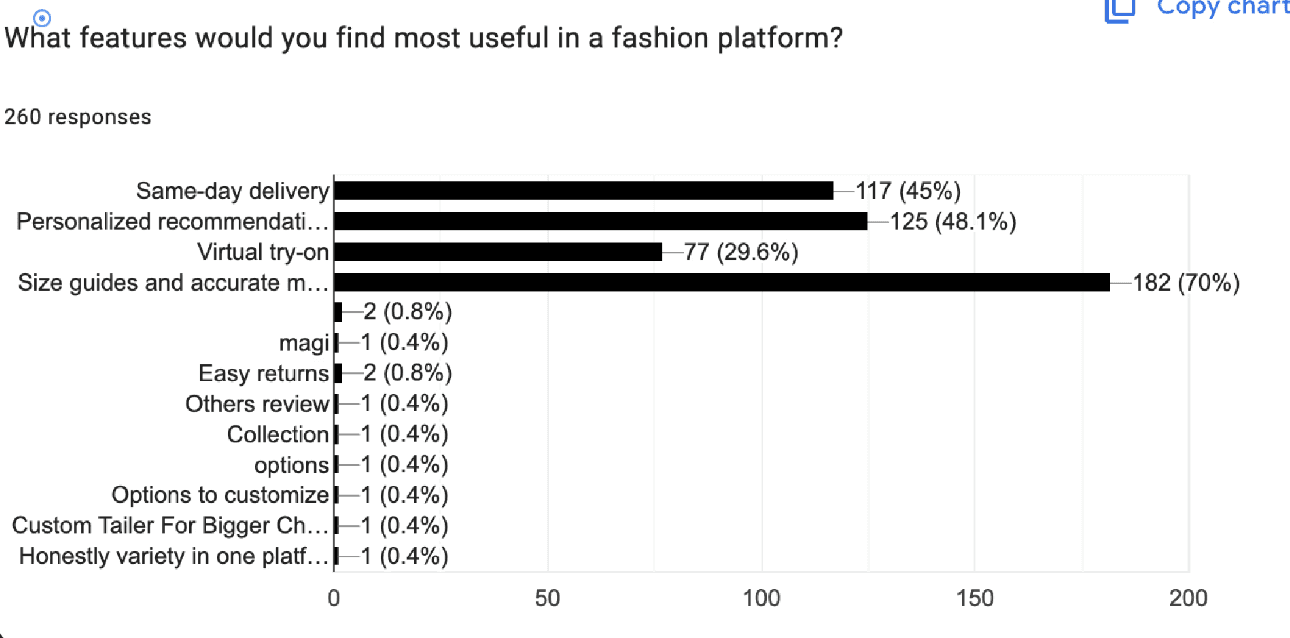
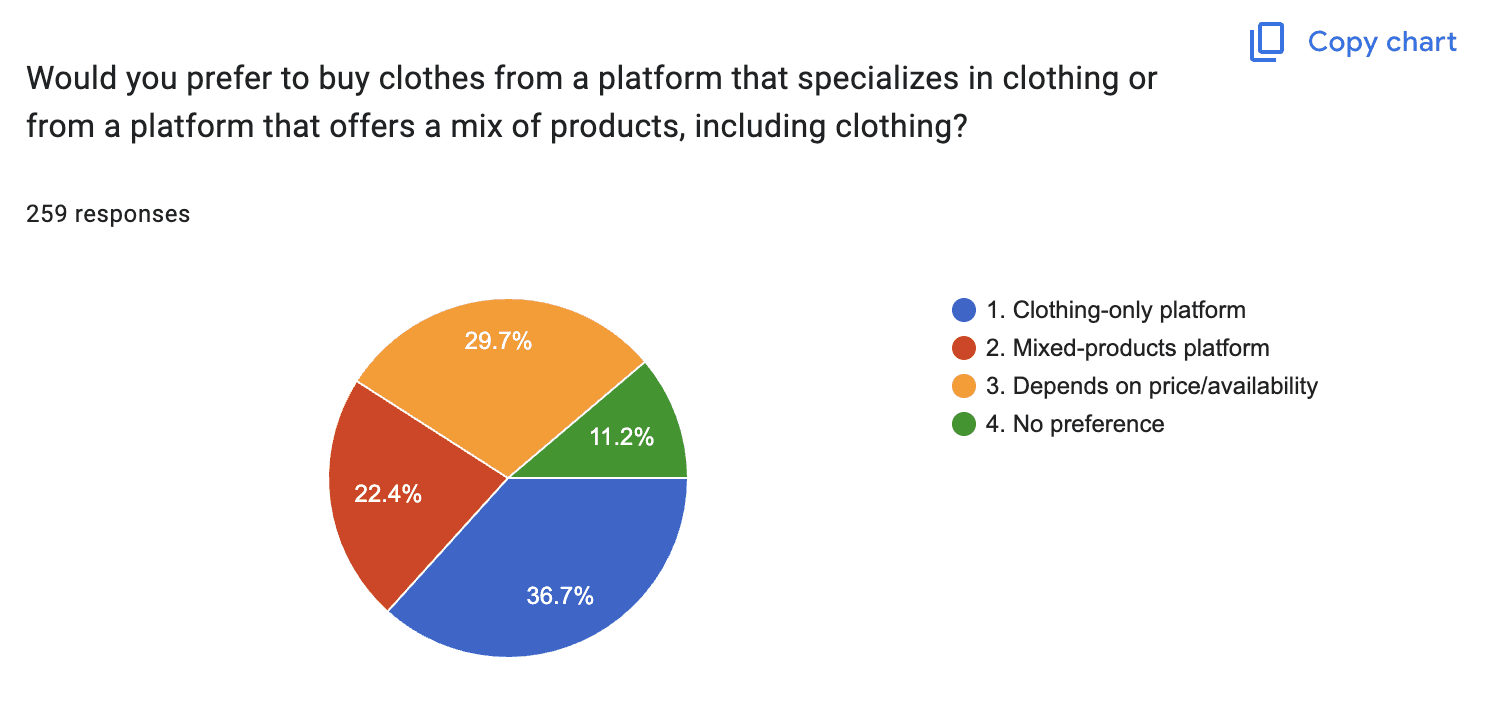
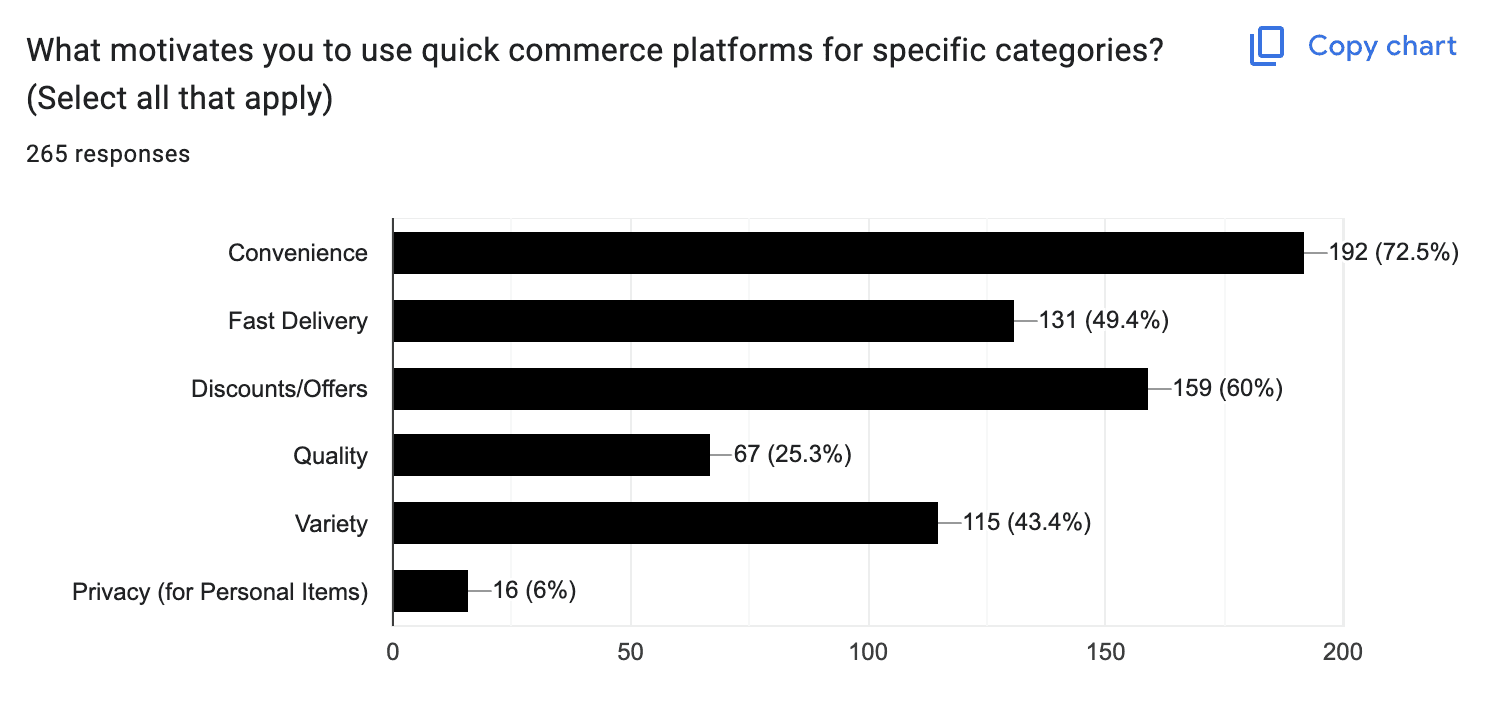
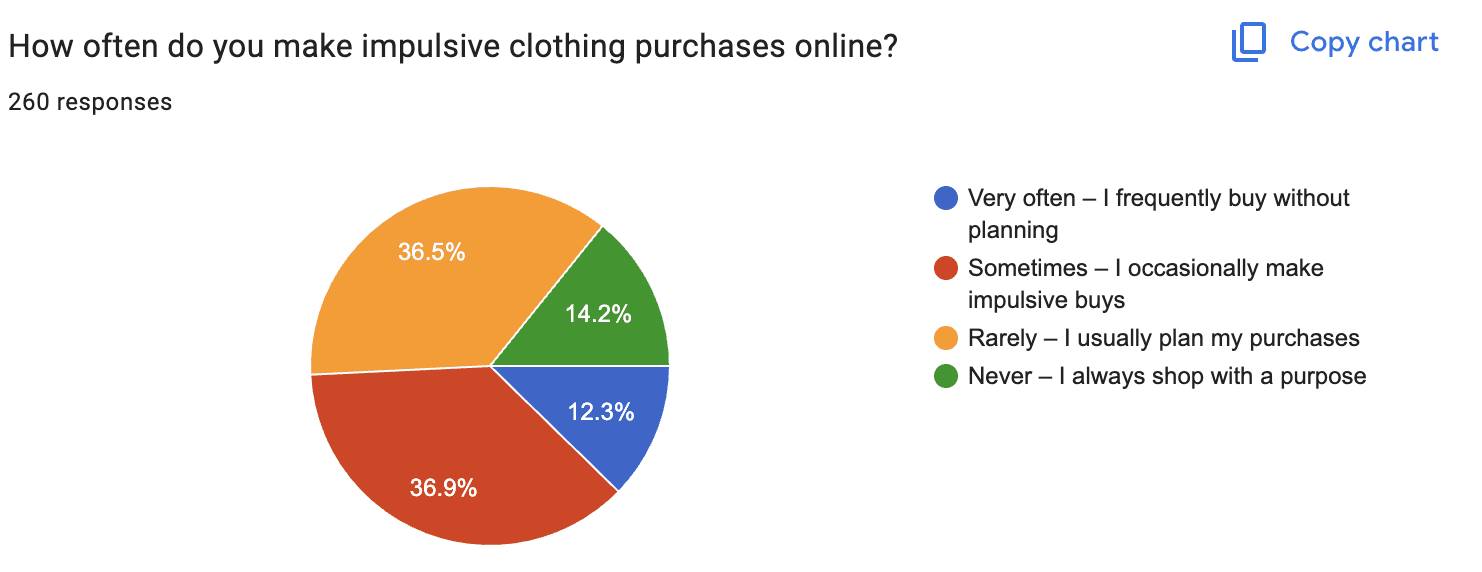
To validate the problem, we shared a survey that received 276 responses and gathered measurable insights.
Key Insights:
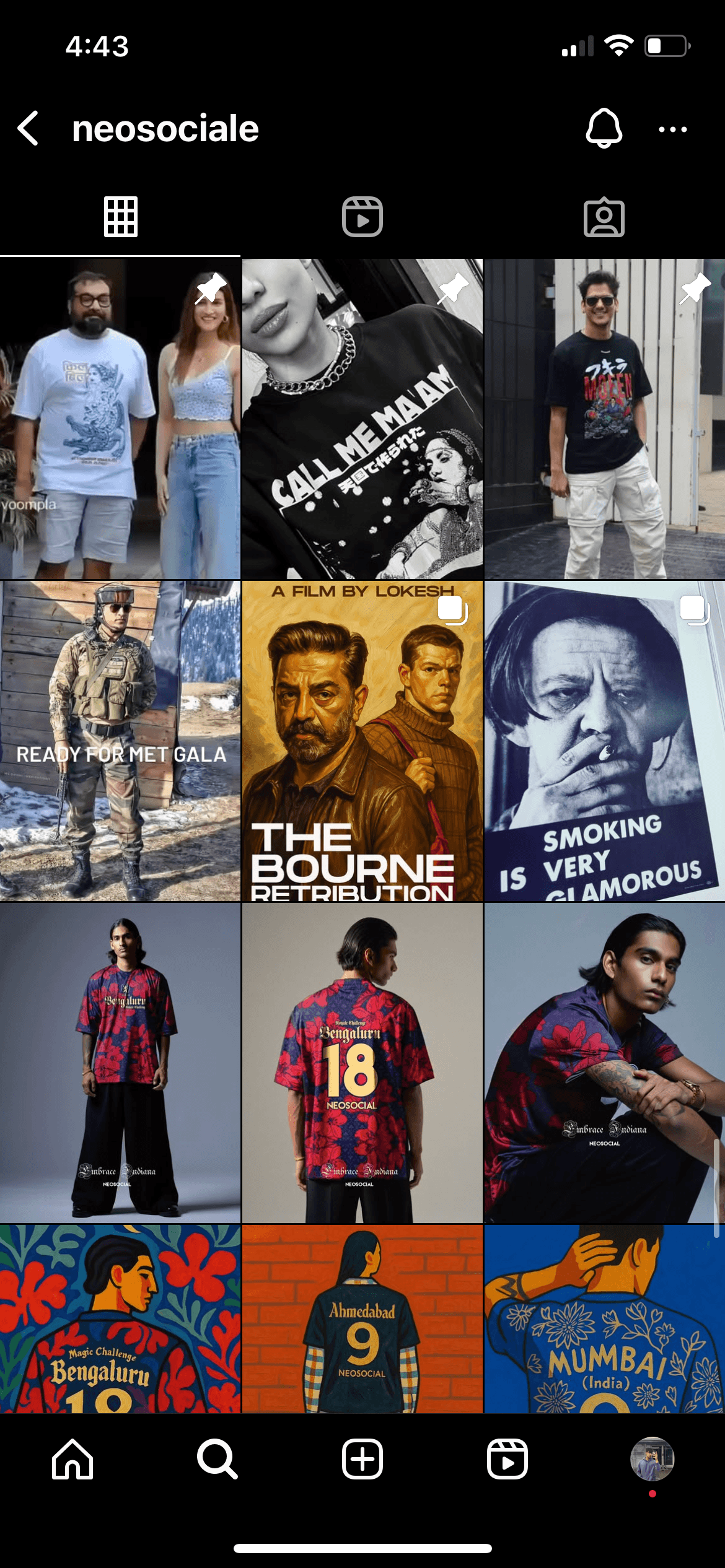
72% browse Instagram for fashion ideas before visiting apps like Myntra.
65% said most shopping apps feel “repetitive and uninspired.”
58% wanted more personalized, less filtered ways to discover fashion.
Understanding Real People
Beyond numbers, we mapped out the different types of shoppers.
Each persona showed a different frustration of a last-minute buyers, trend-confused shoppers, vibe-based scrollers, and budget-dependent buyers.
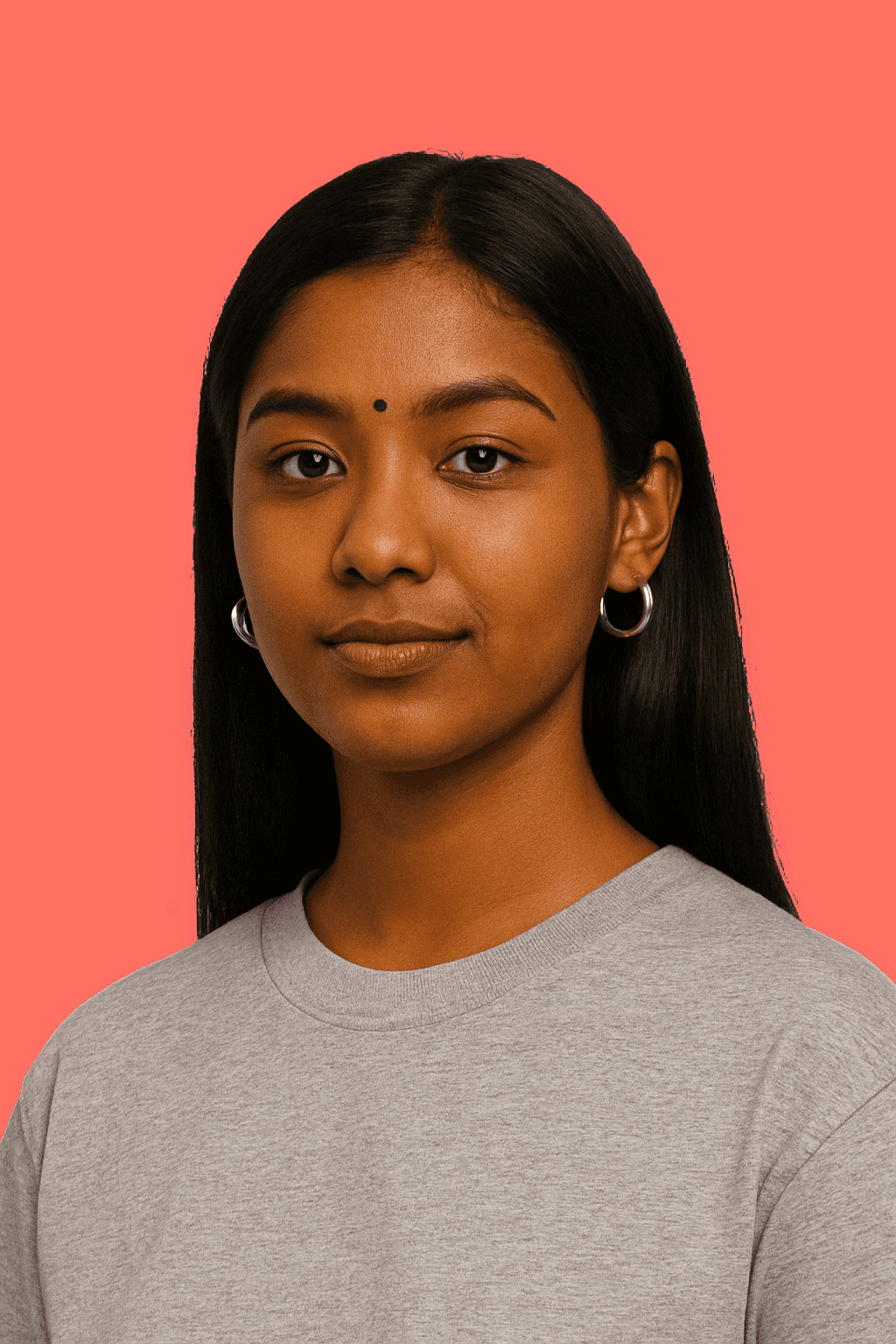


Click to flip
Refining the Direction Problem Statement
"Gen Z wants a platform where they can actually experience fashion instantly not just scroll endlessly or wait days for inspiration or delivery. Their choices are fast, emotional, and moment-based, but today’s apps don’t move at their speed."
Finding the Right Stores
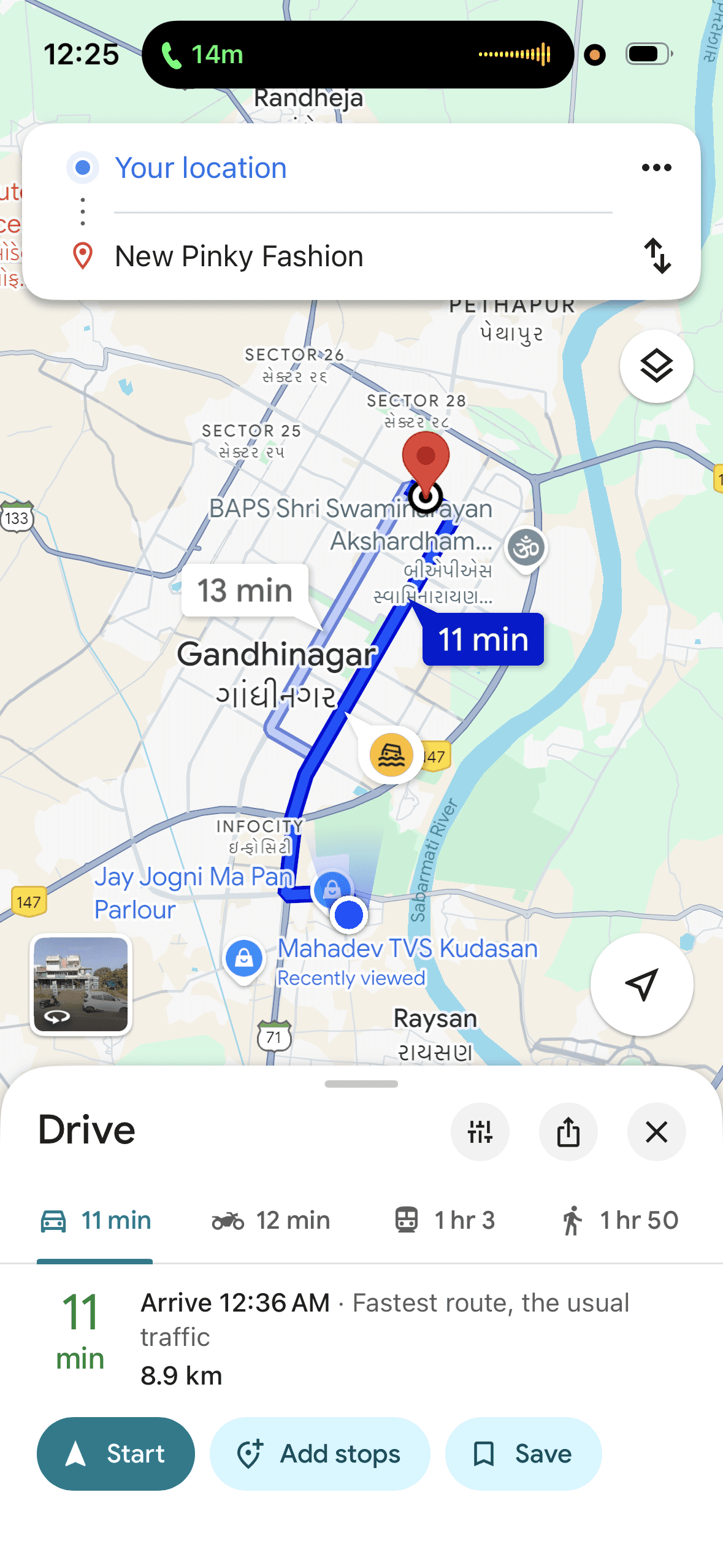
Before building anything, we needed partners.
So we started:
Calling local stores
Visiting markets
Convincing shop owners that this idea could work.
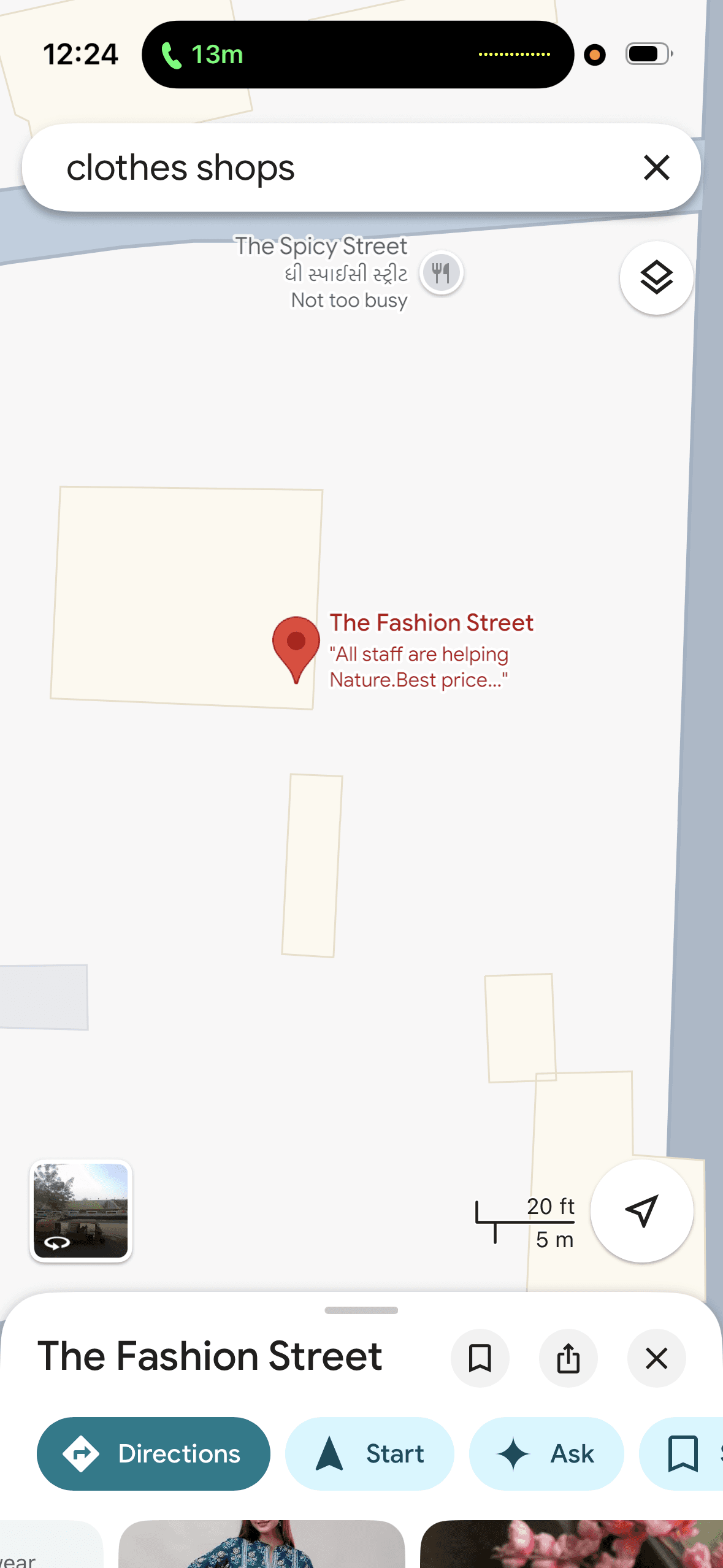
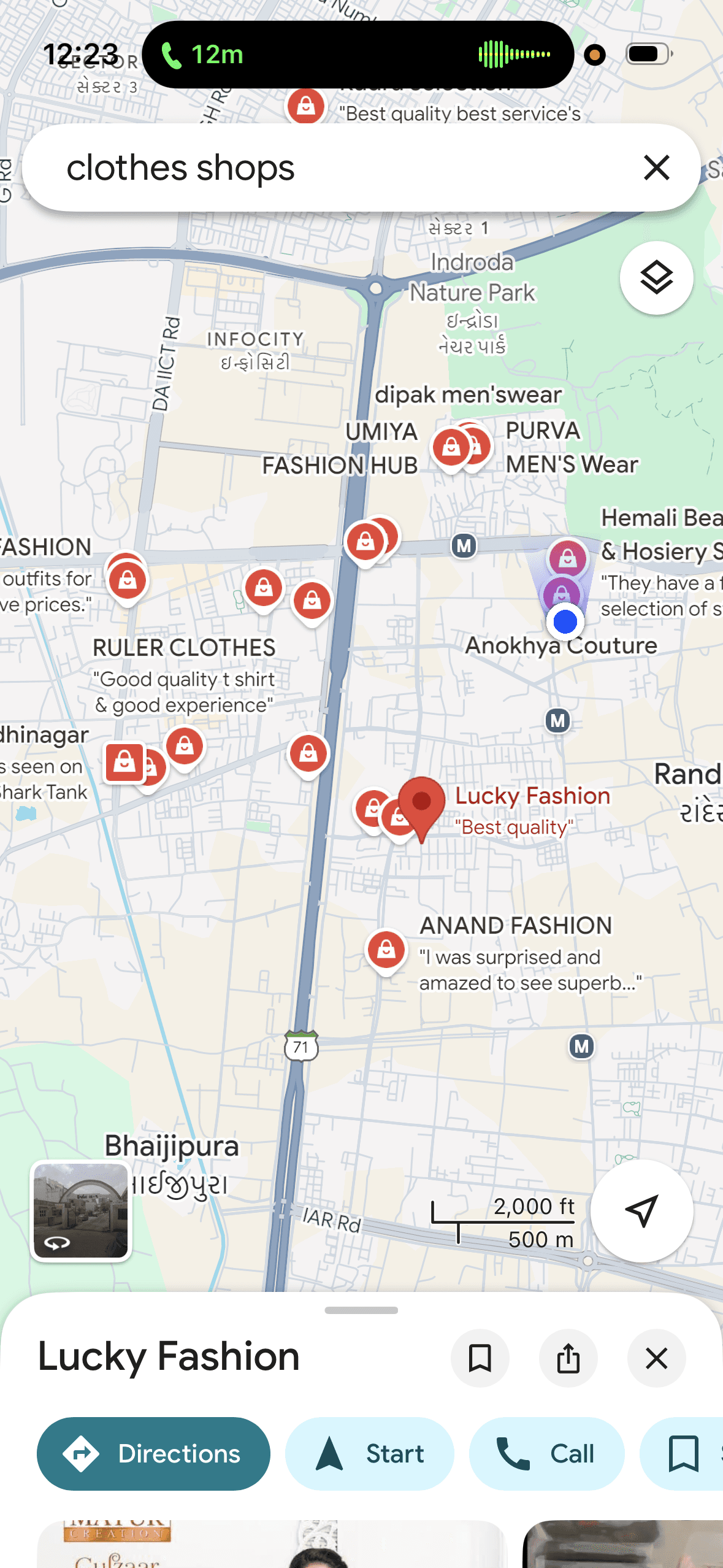
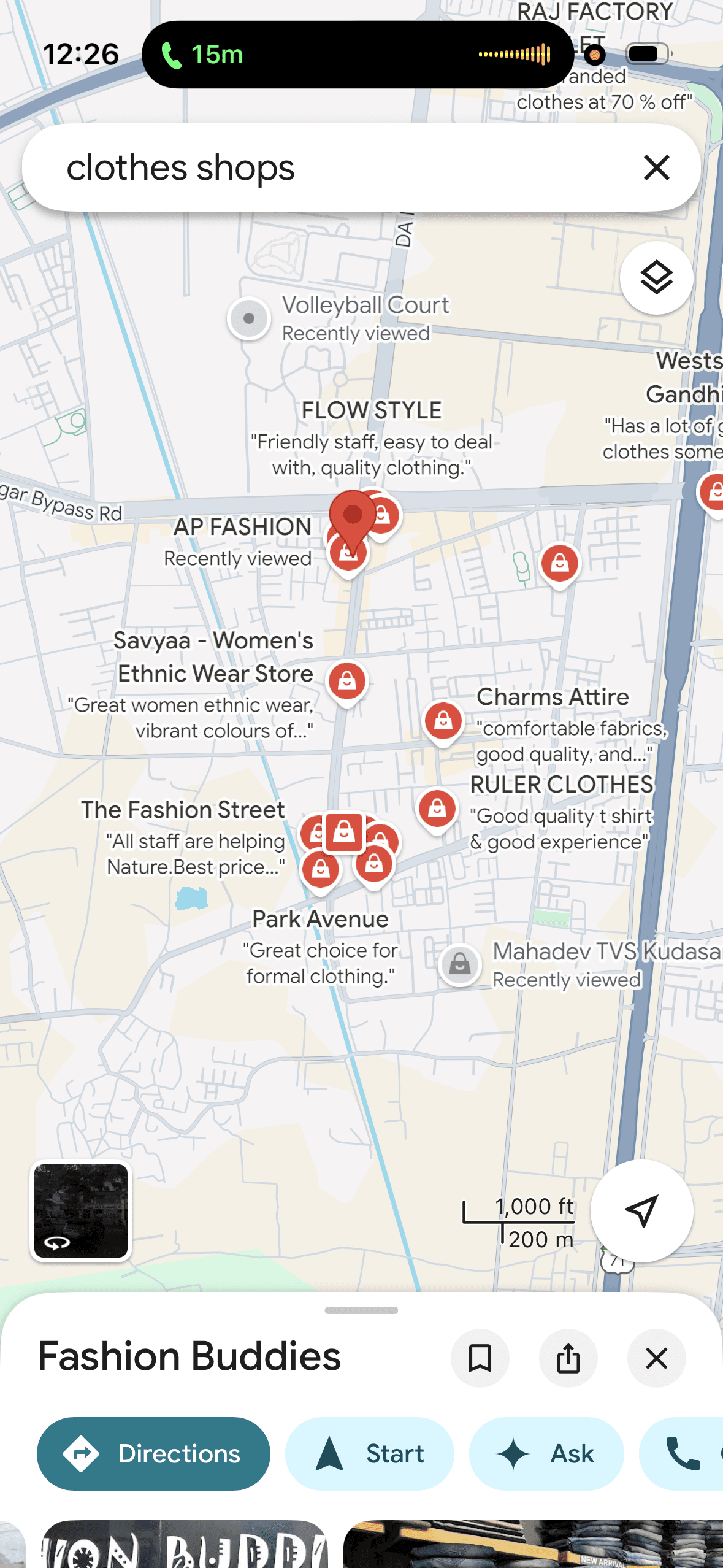
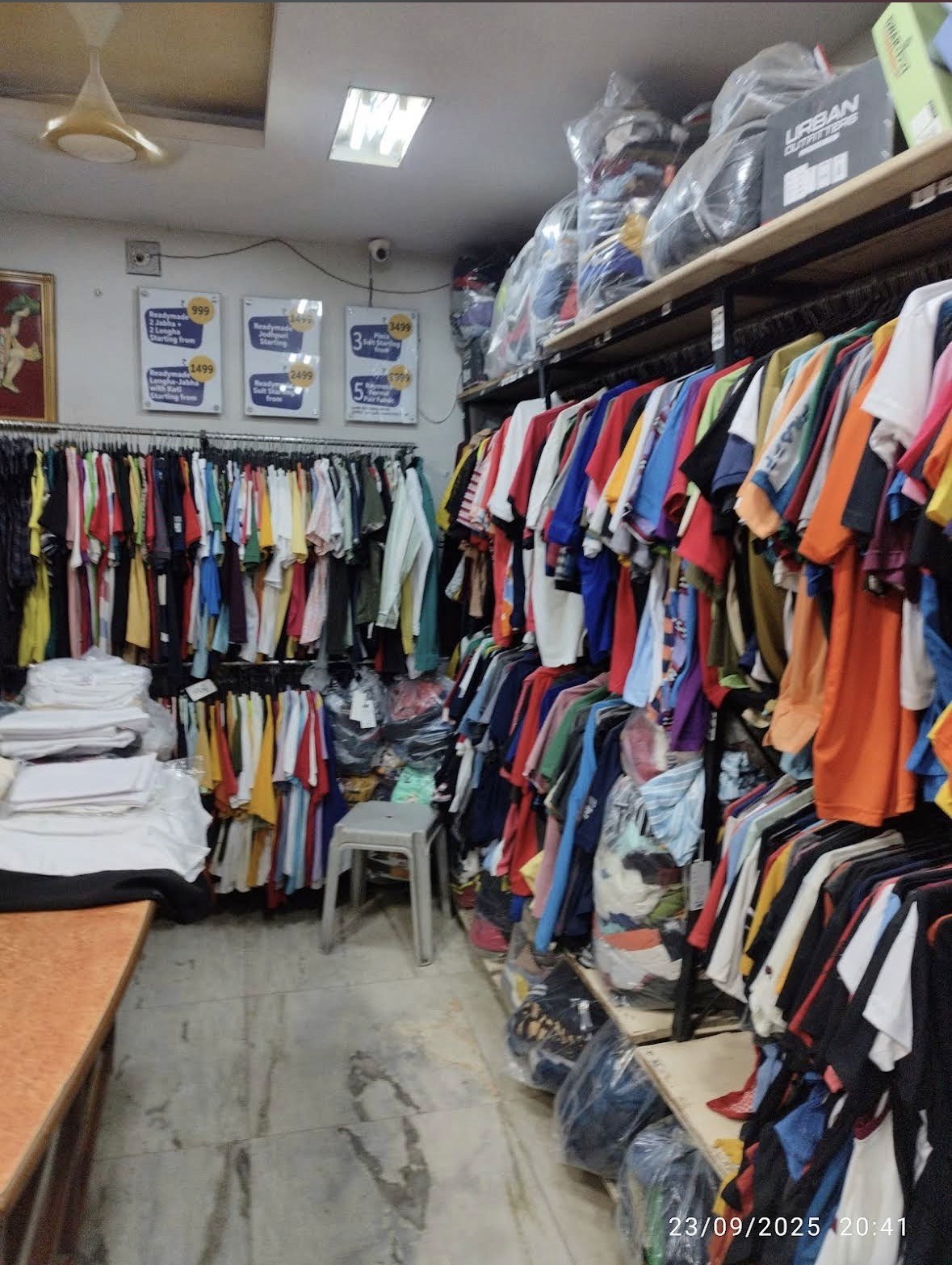
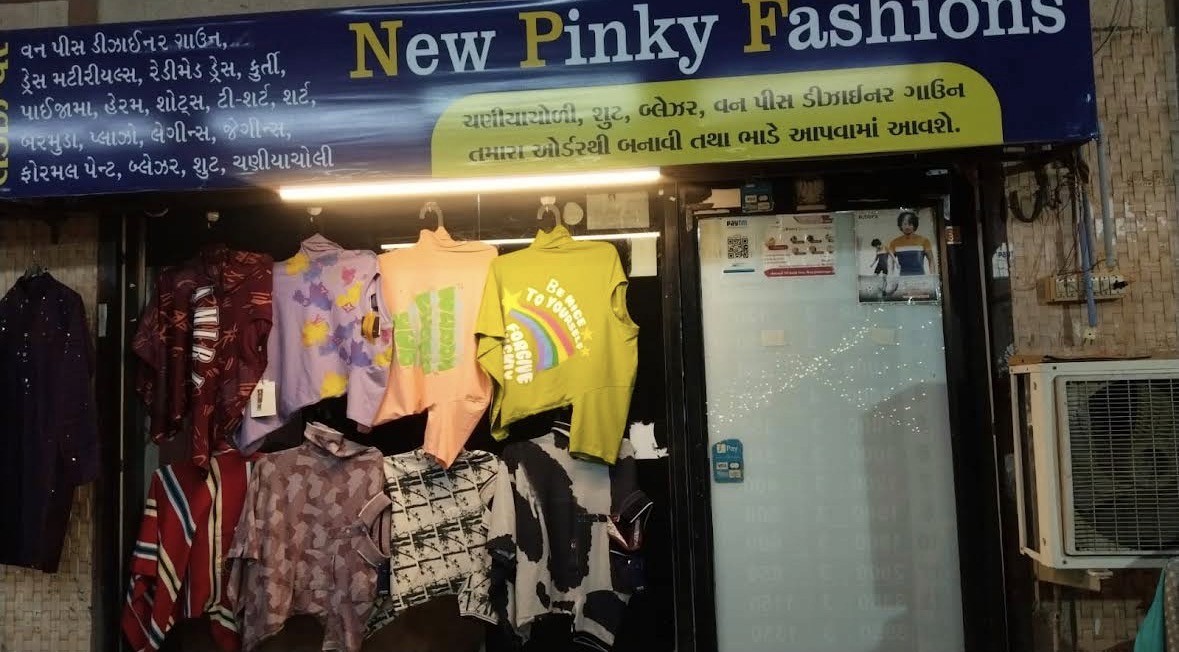
My Best cold call.
Me: “Hello bhaiya, RK Fashion se bol rahe ho? Meko ek baat poochni thi…aap online kapde bechte ho?”
Them: “Online? Nahi… kyun?”
Me: “Achha… toh aap kis type ke kapde rakhte ho? Casual, trendy, western?
Aur aapko offline bechne mein koi dikkat hoti hai kya?”
Them: “ tum ho kaun?”
Me: “Nahi bhaiya, actually hum.."
Them: “Abe maarunga! Zyada puchtachh mat kar!”
Call: cuts immediately
Our First Wins
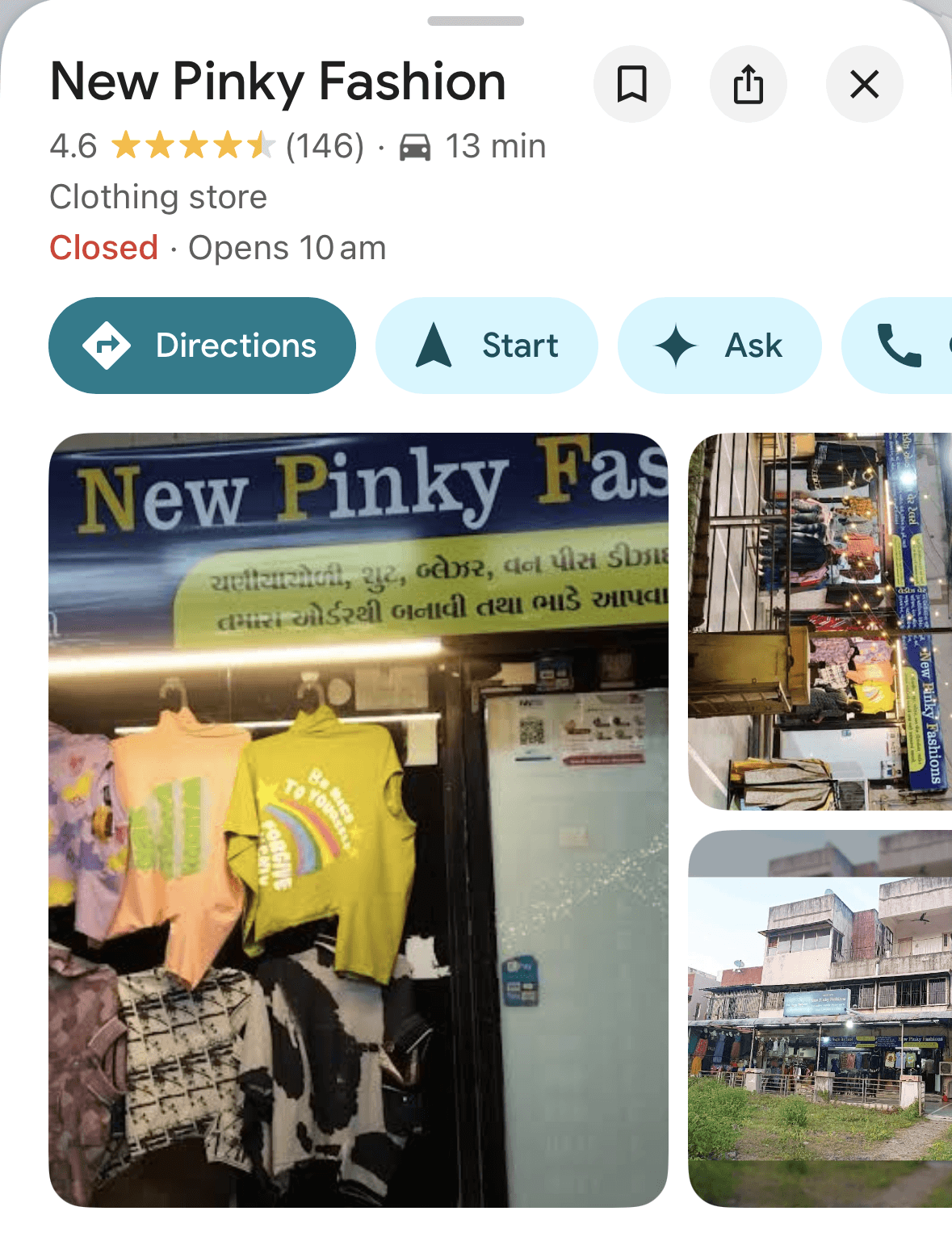
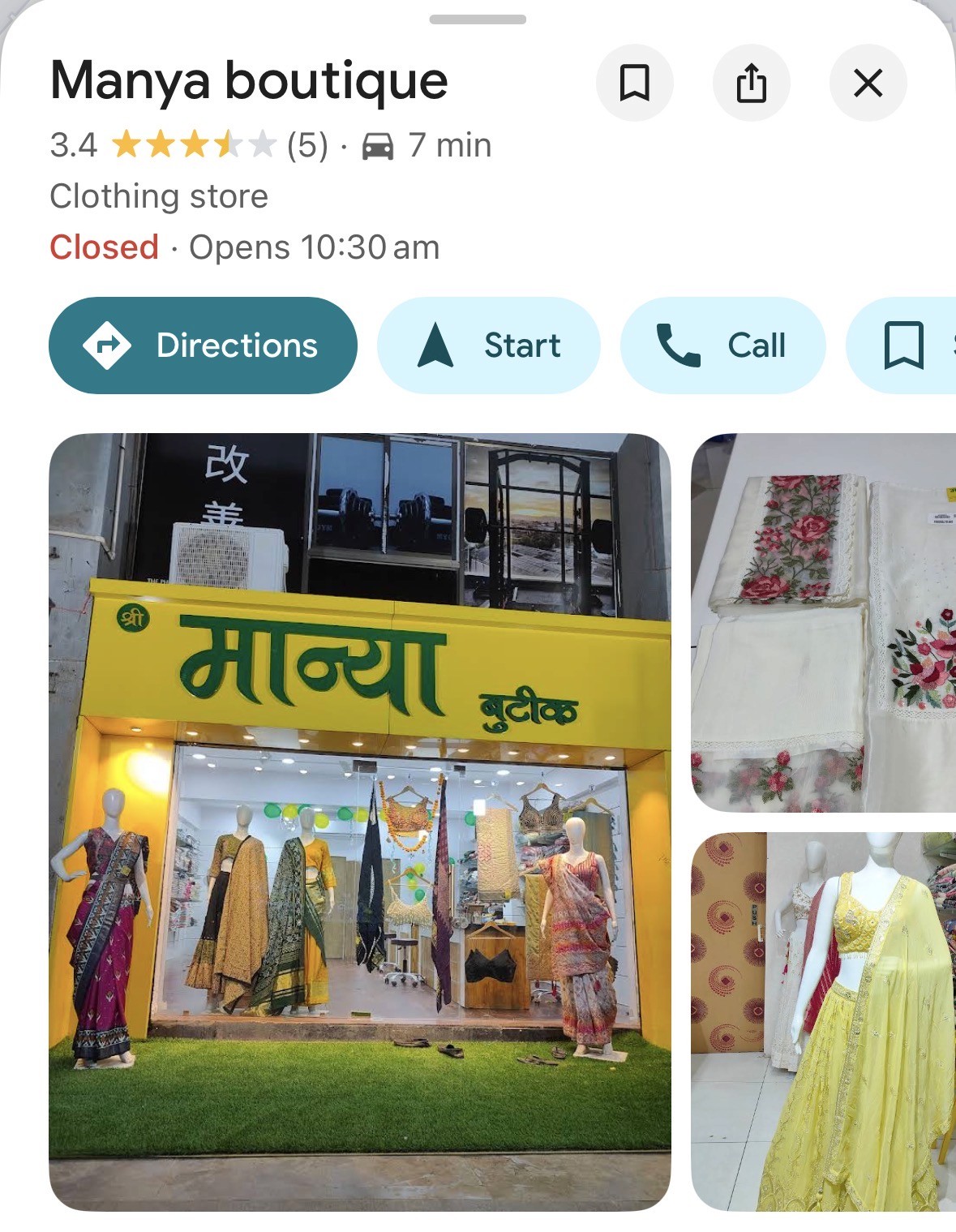
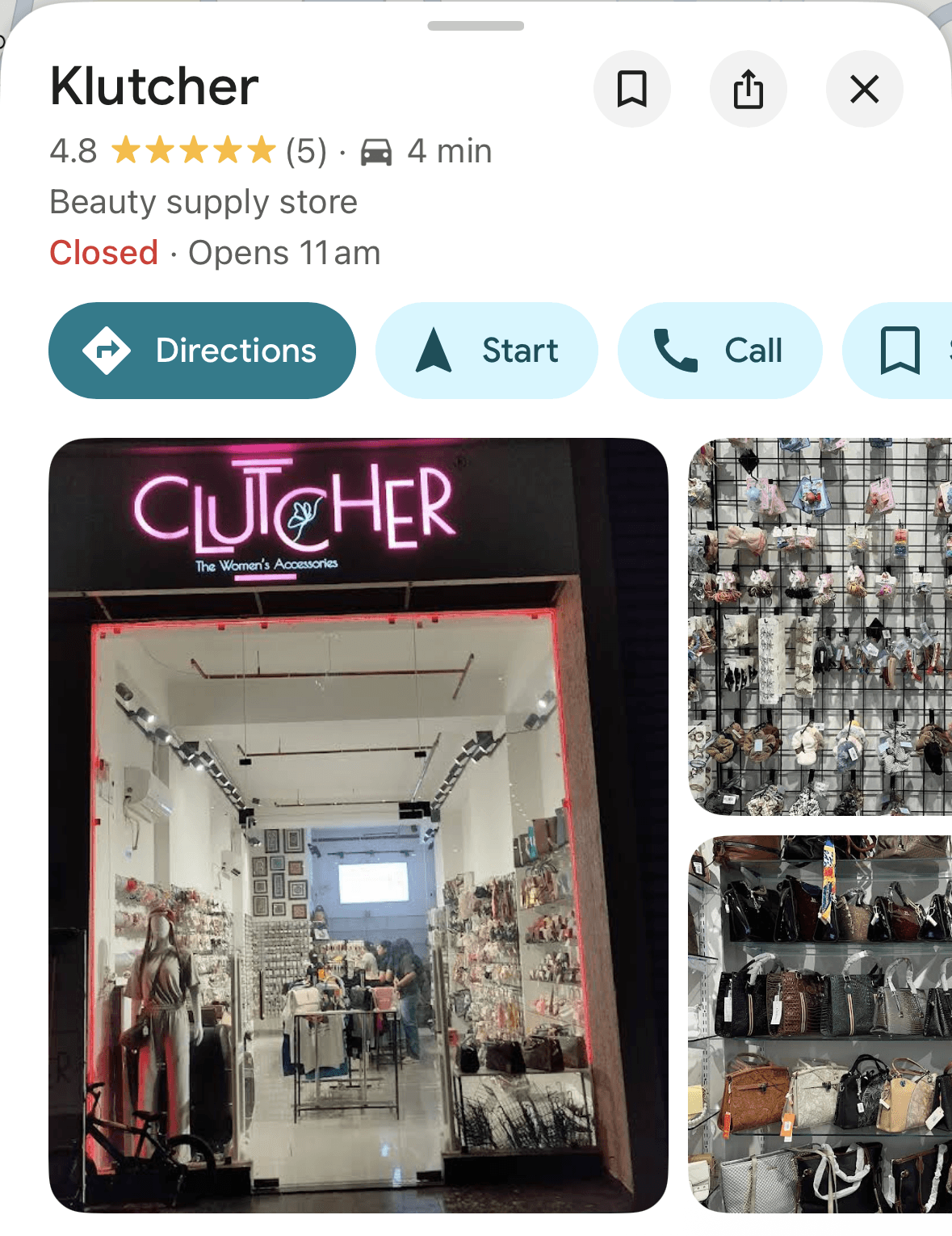
After days of rejections and convincing,
A few stores finally said yes.
These were our first collaborators —
Obstacles Faced
How do we know if the clothes shown on our website are STILL in the store?”
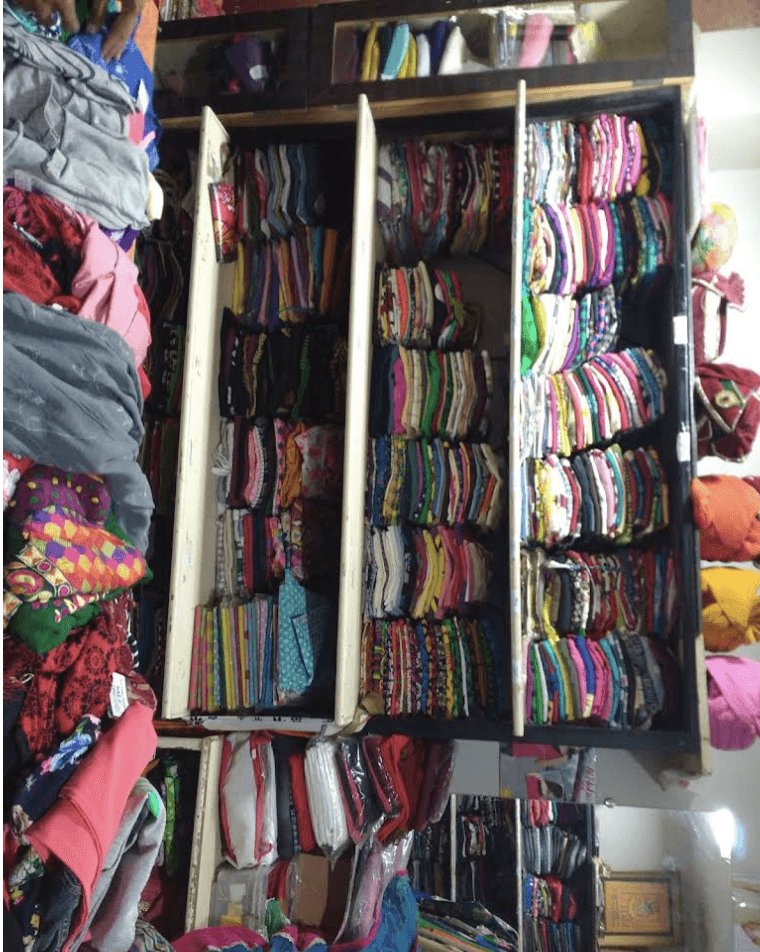
Stock moved fast. Racks changed every day. Vendors sold items without notice.
Our website was always one step behind the store we needed a simple, low-tech fix, fast
The Solution
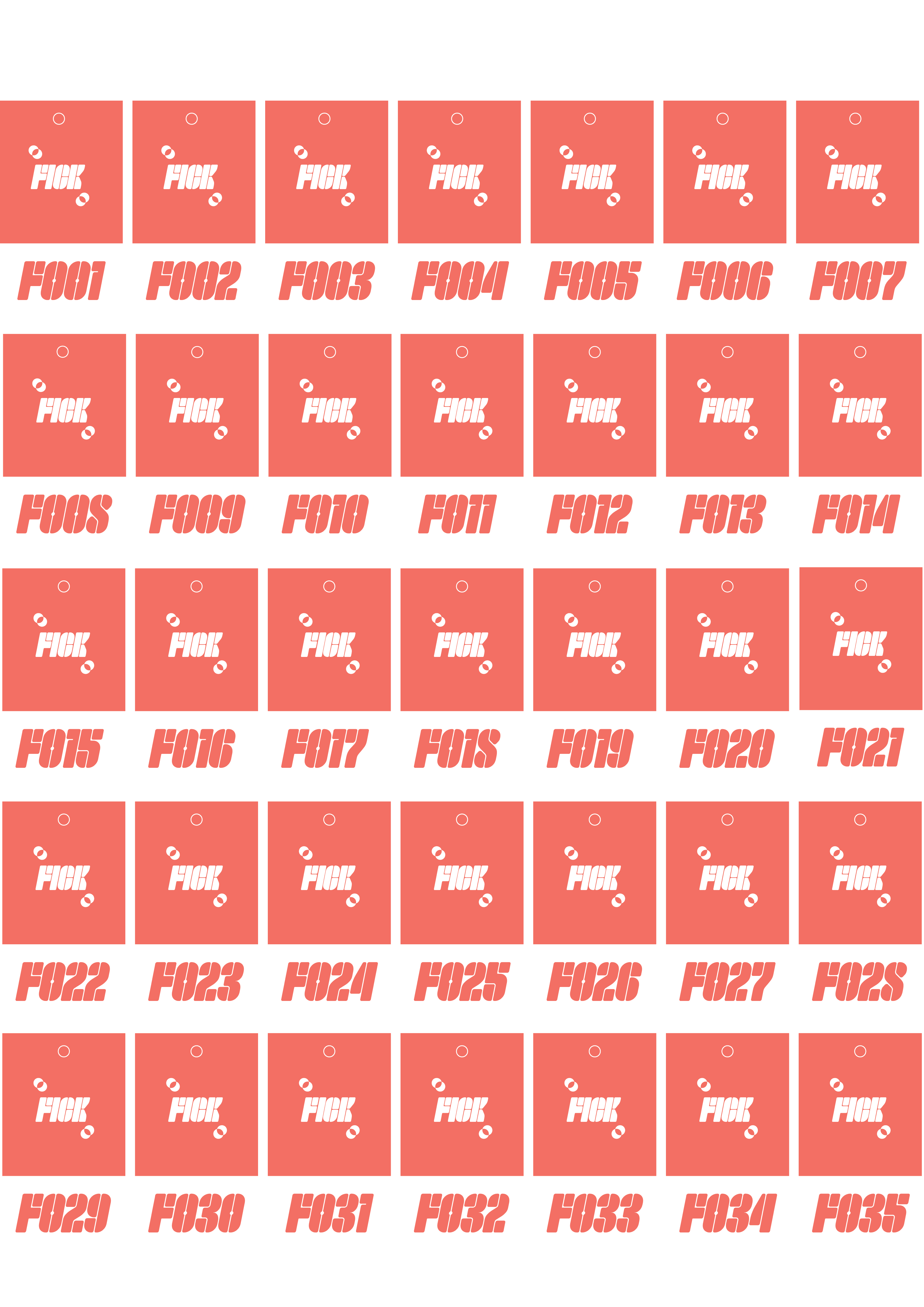
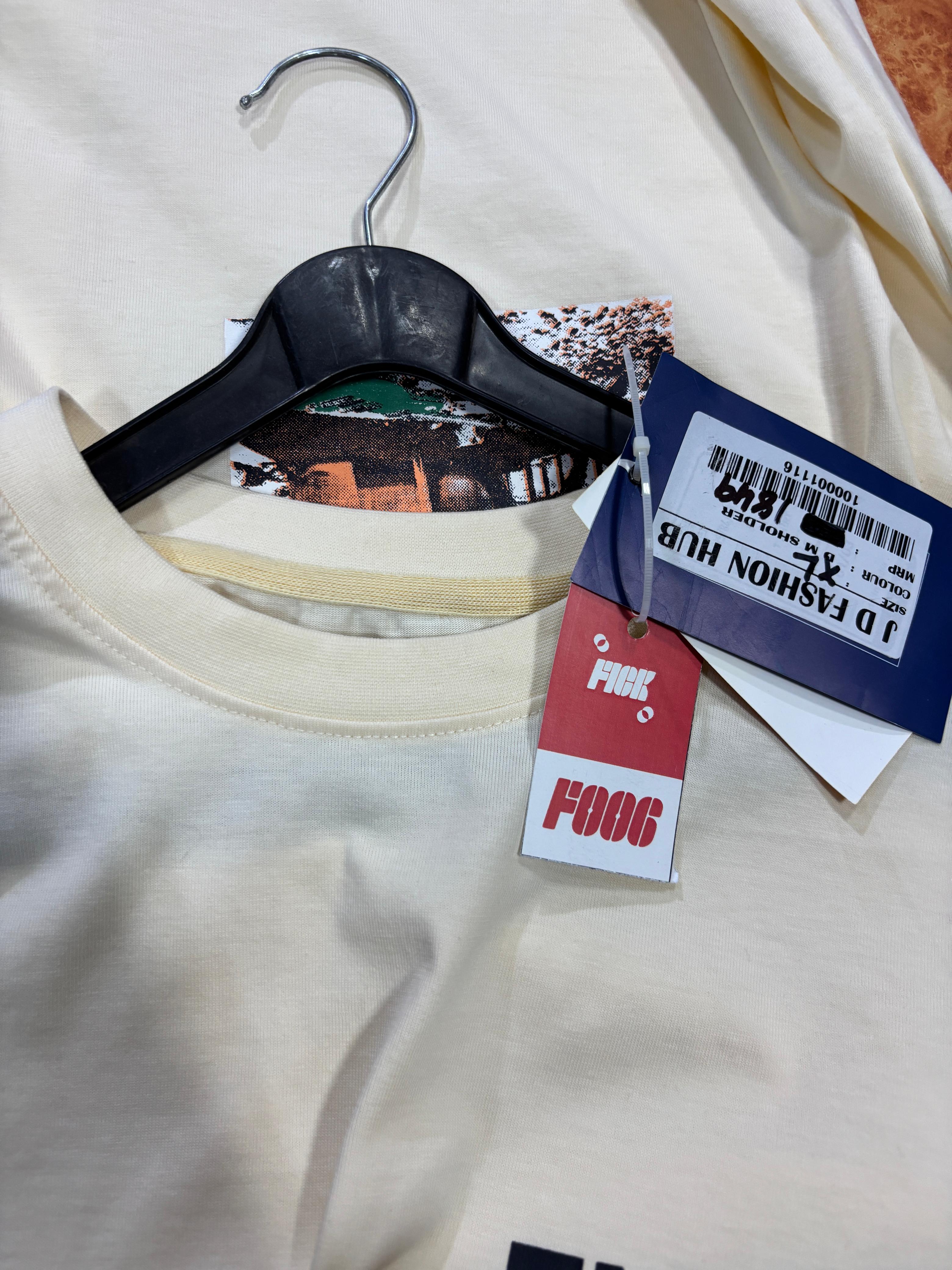
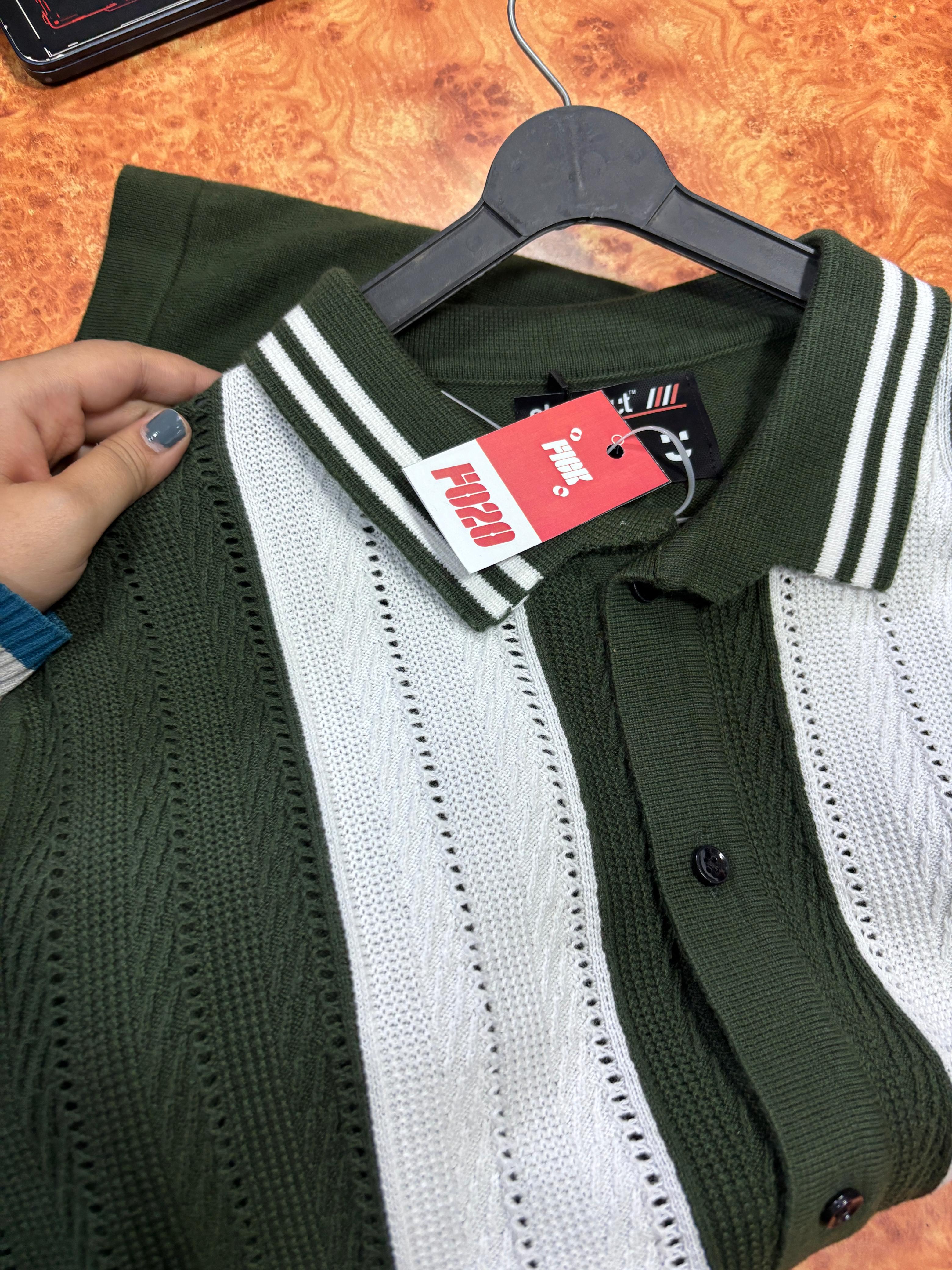
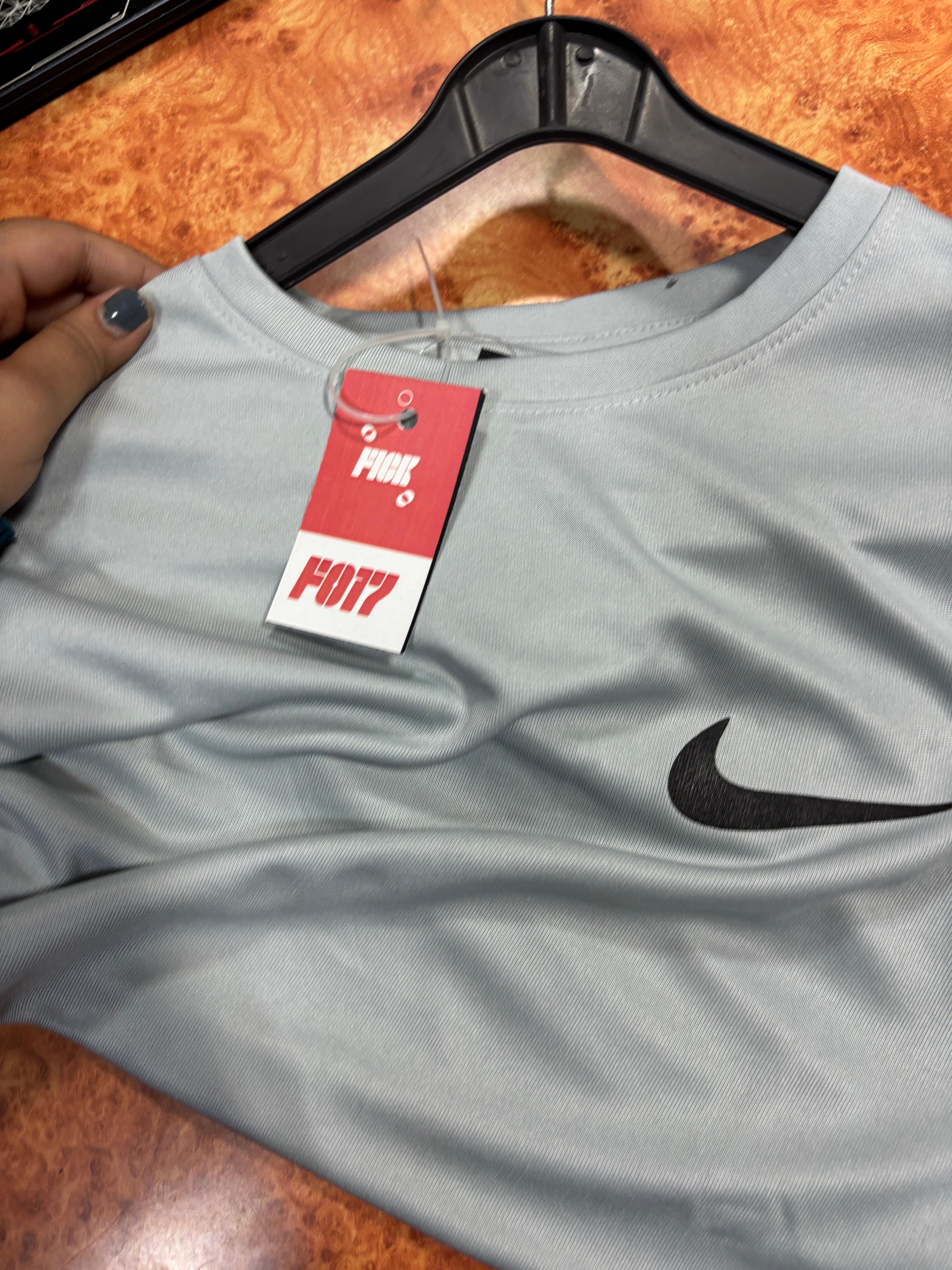
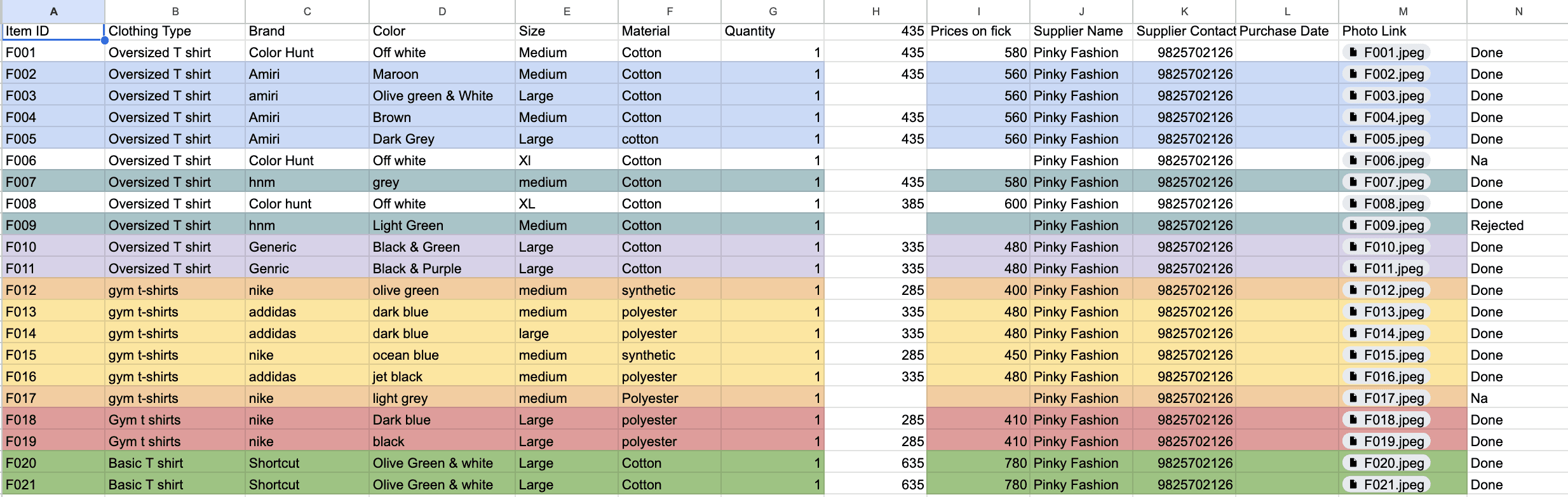
So we built a manual tagging system.
Every piece that went on the website got a small tag:
F0-16, F0-22, F0-31…
Whenever a tagged item was sold, the vendor simply messaged:
“F0-16 sold.”
We removed it instantly.
No confusion.
No mismatched stock.
Just a small hack that kept the whole system running smoothly.

The Backend Nobody Sees
Our whole system was literally managed on spreadsheets. Each piece got a tag, a number, and a row in the sheet. Not glamorous, but it workedand kept the website real-time.
Photoshoot Day
For the photoshoot, we didn’t hire professionals; we called our friends and design college classmates. Using our own community made everything affordable, quick, and collaborative. Models, styling, and shooting were all done in-house by us.
The Website Goes Live ( finally)
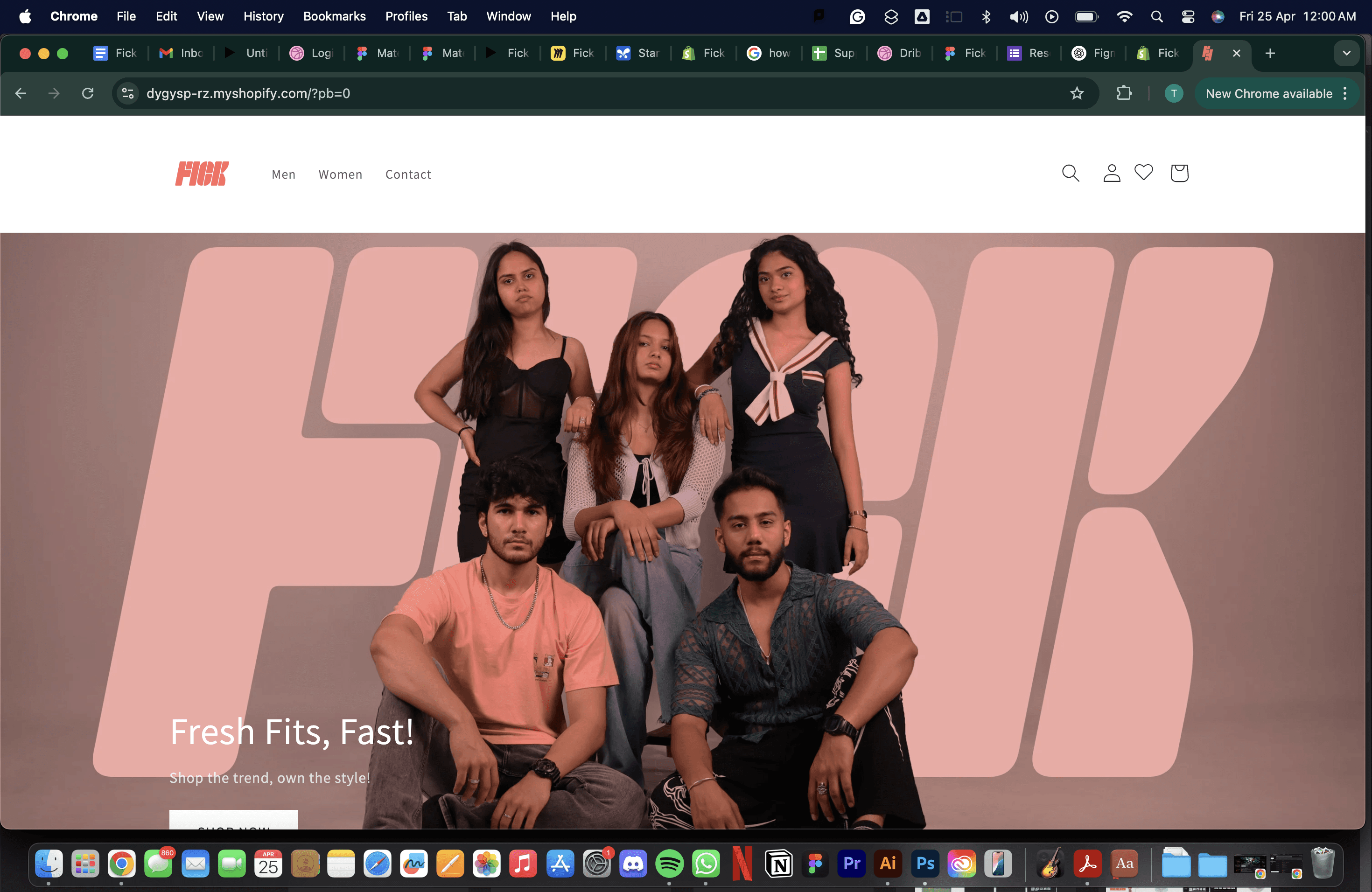
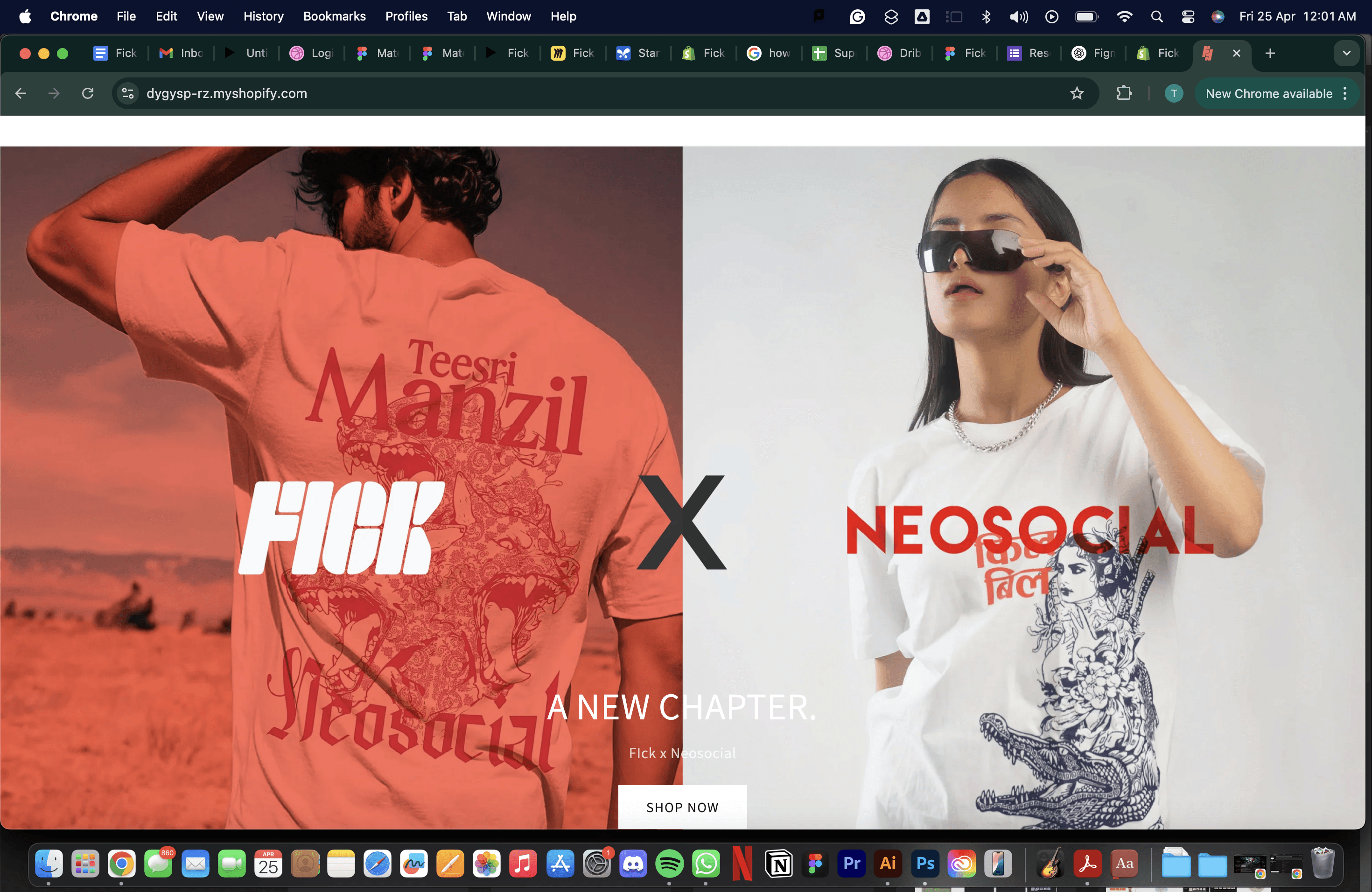
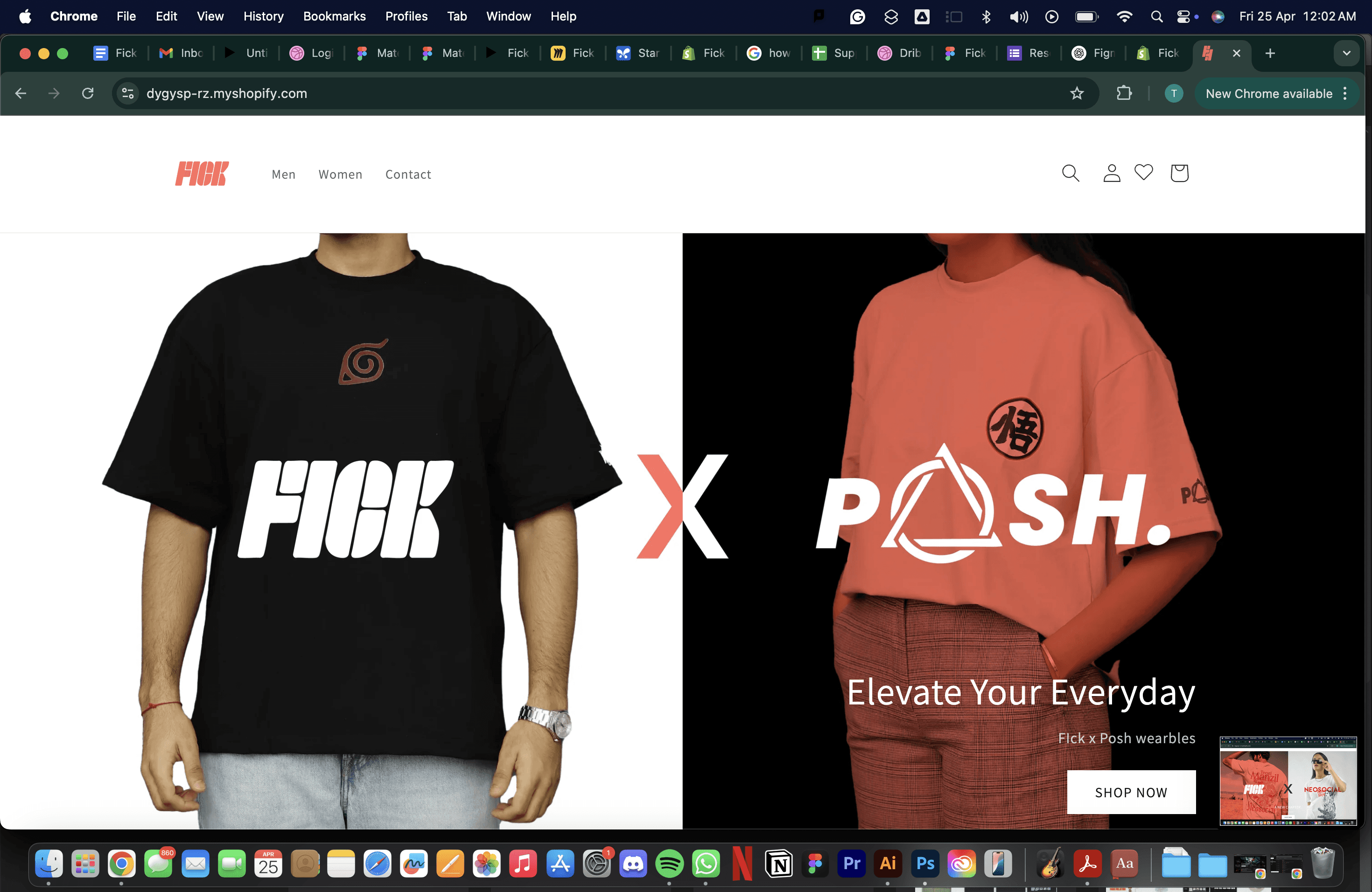
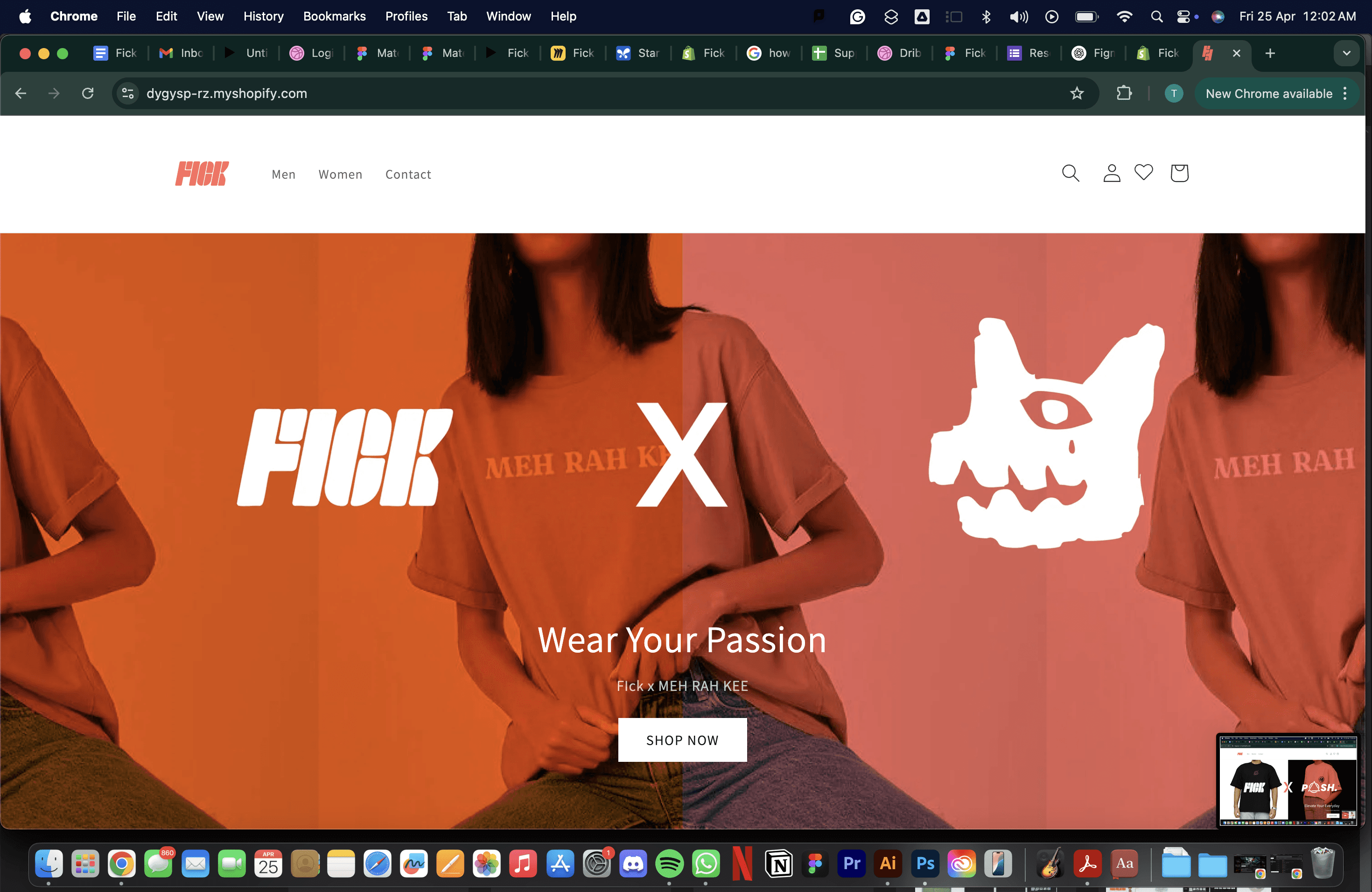
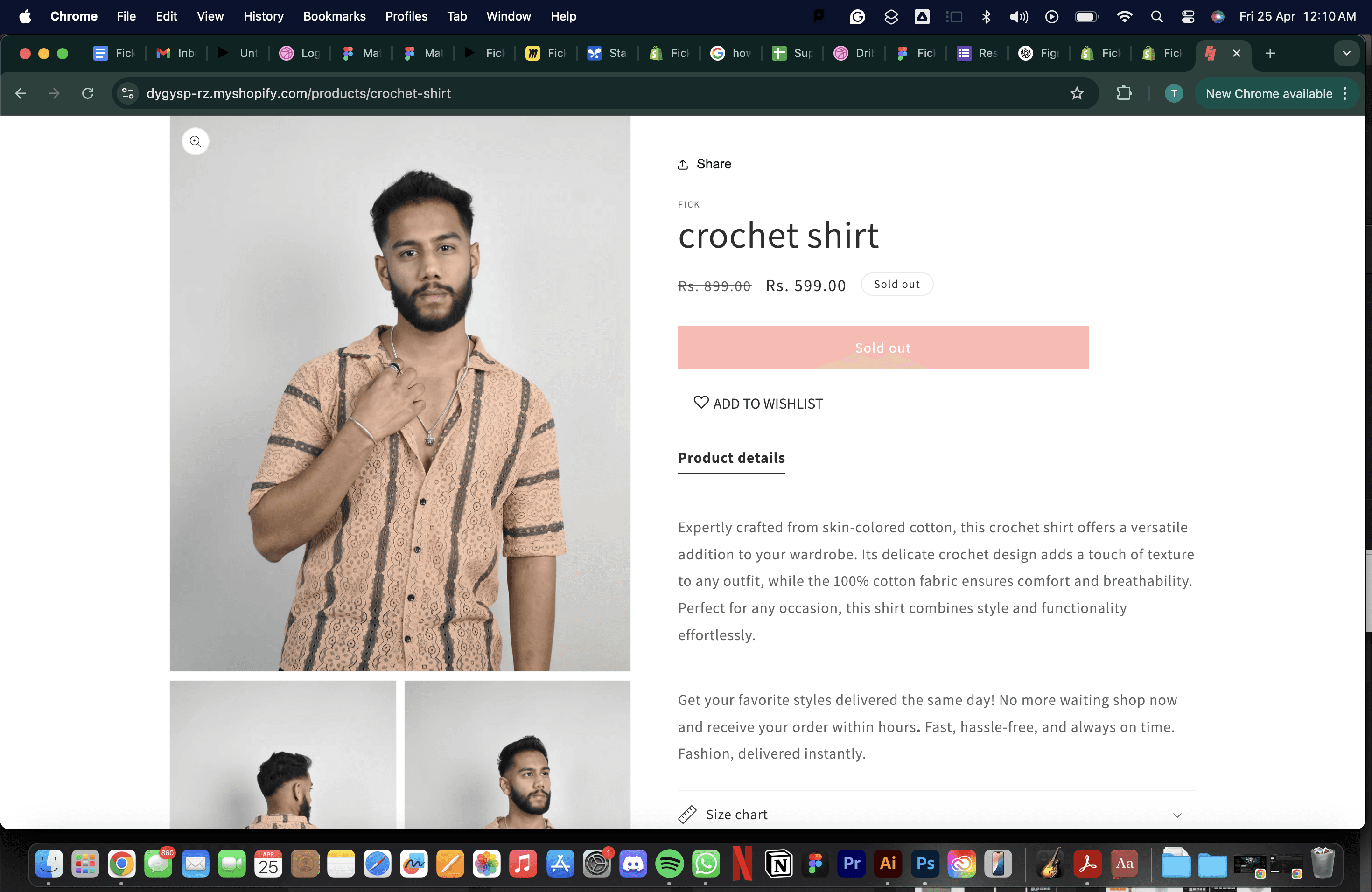
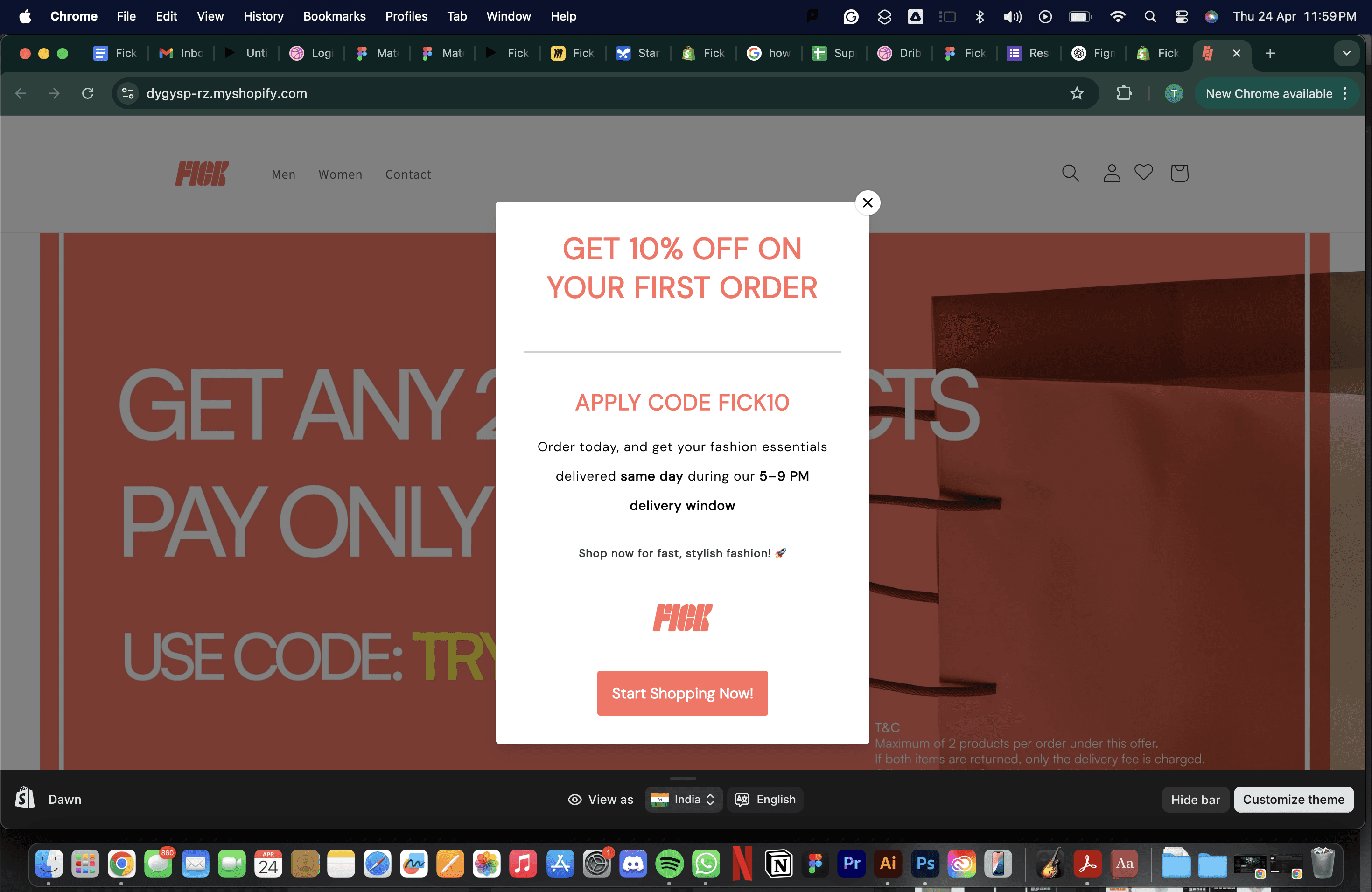
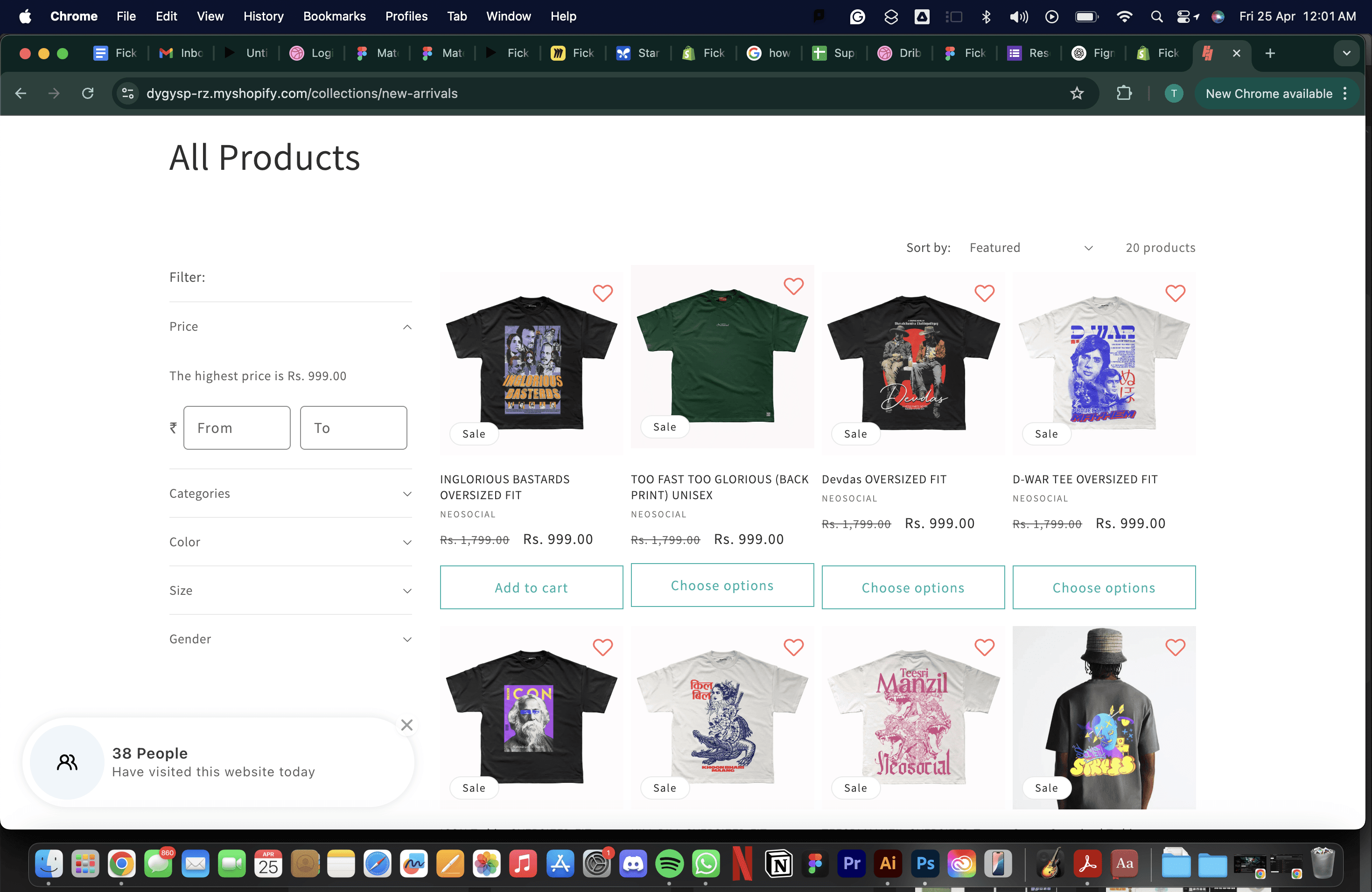
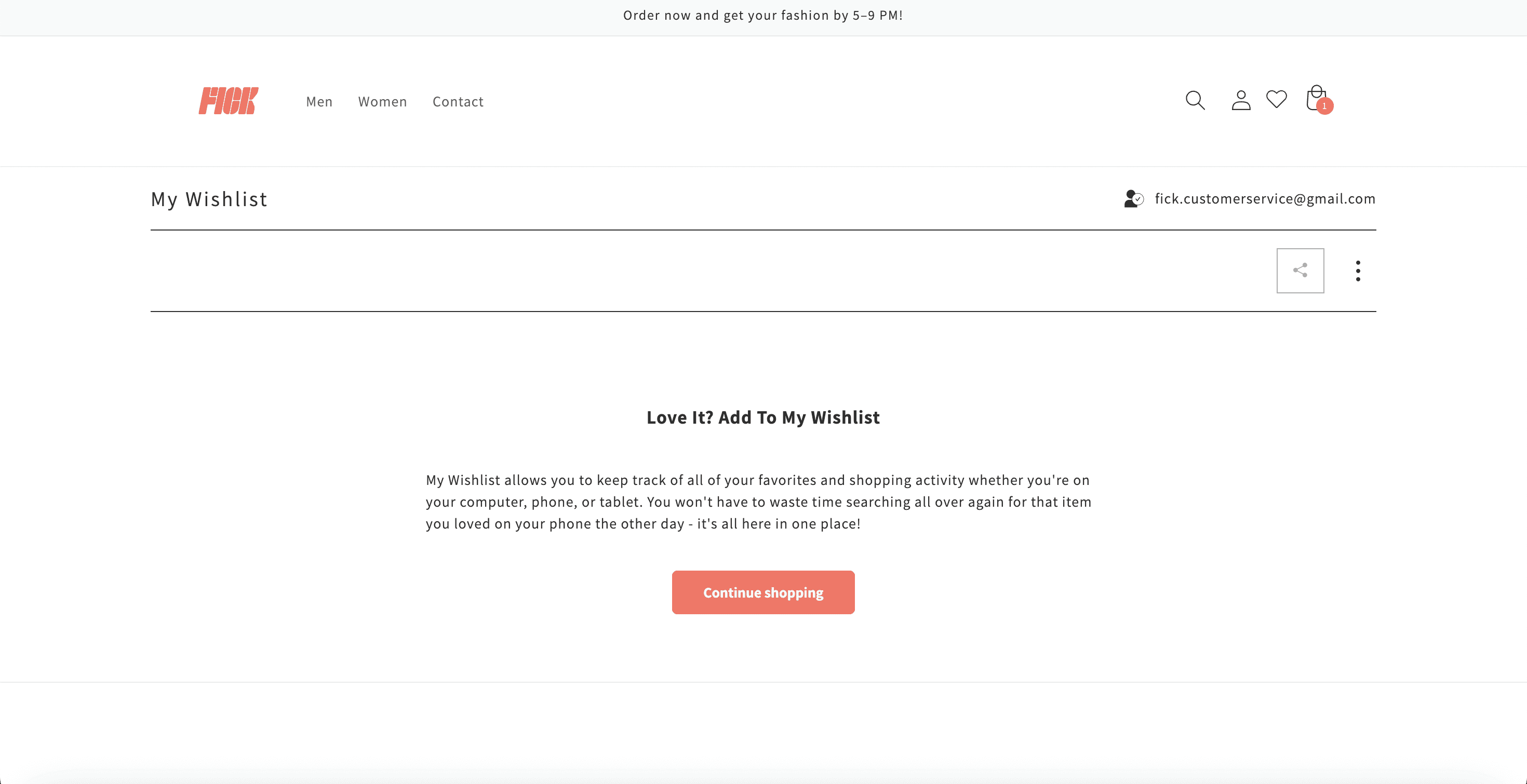
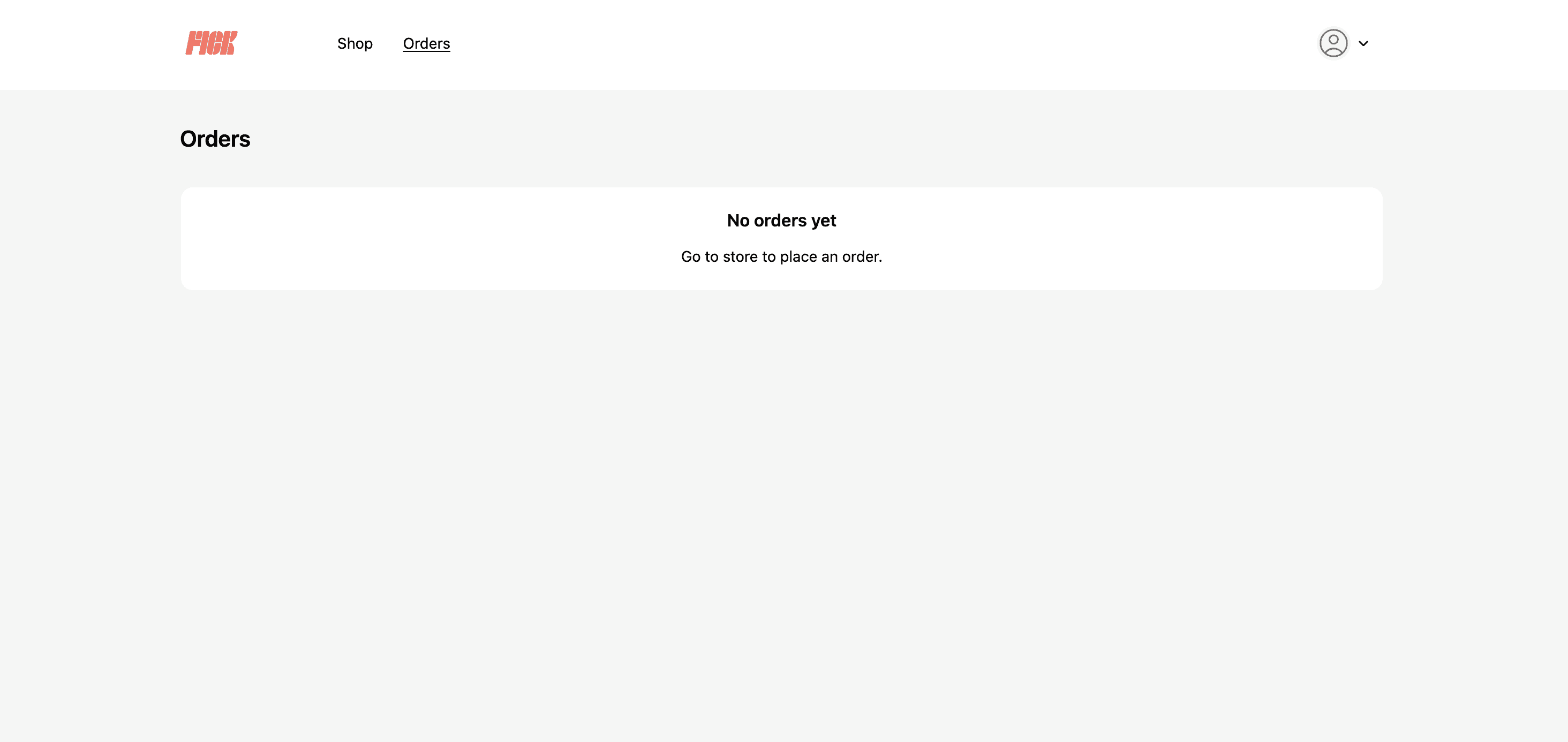
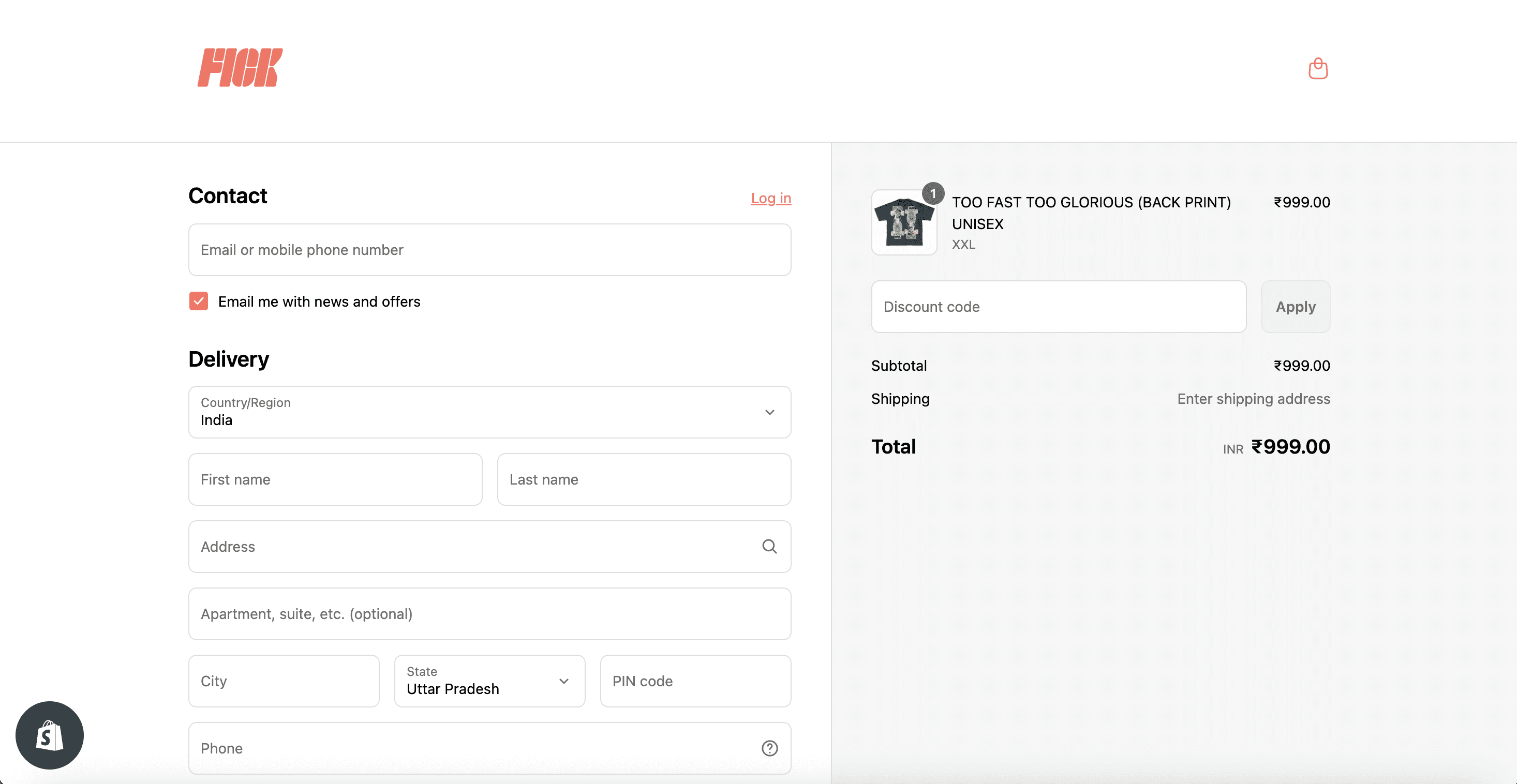
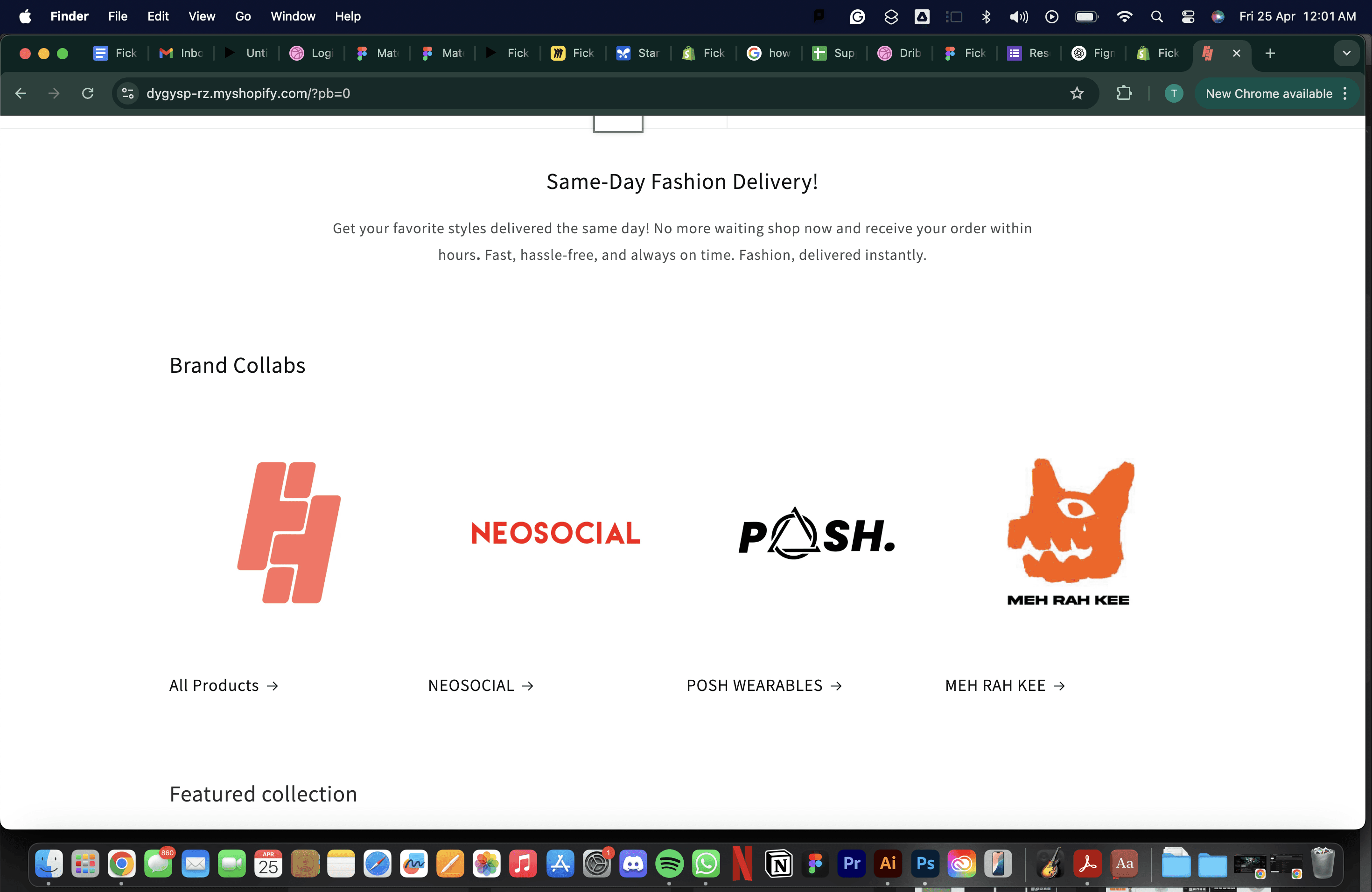
To get the website live, I had to learn Shopify from scratch, how to set up a store, add products, enable features like infinite scroll, favourites, and real-time stock updates. All of this had to be figured out and executed in just one week. But after nights of trial, errors, and fixing, the first version finally went live.
Marketing Starts.
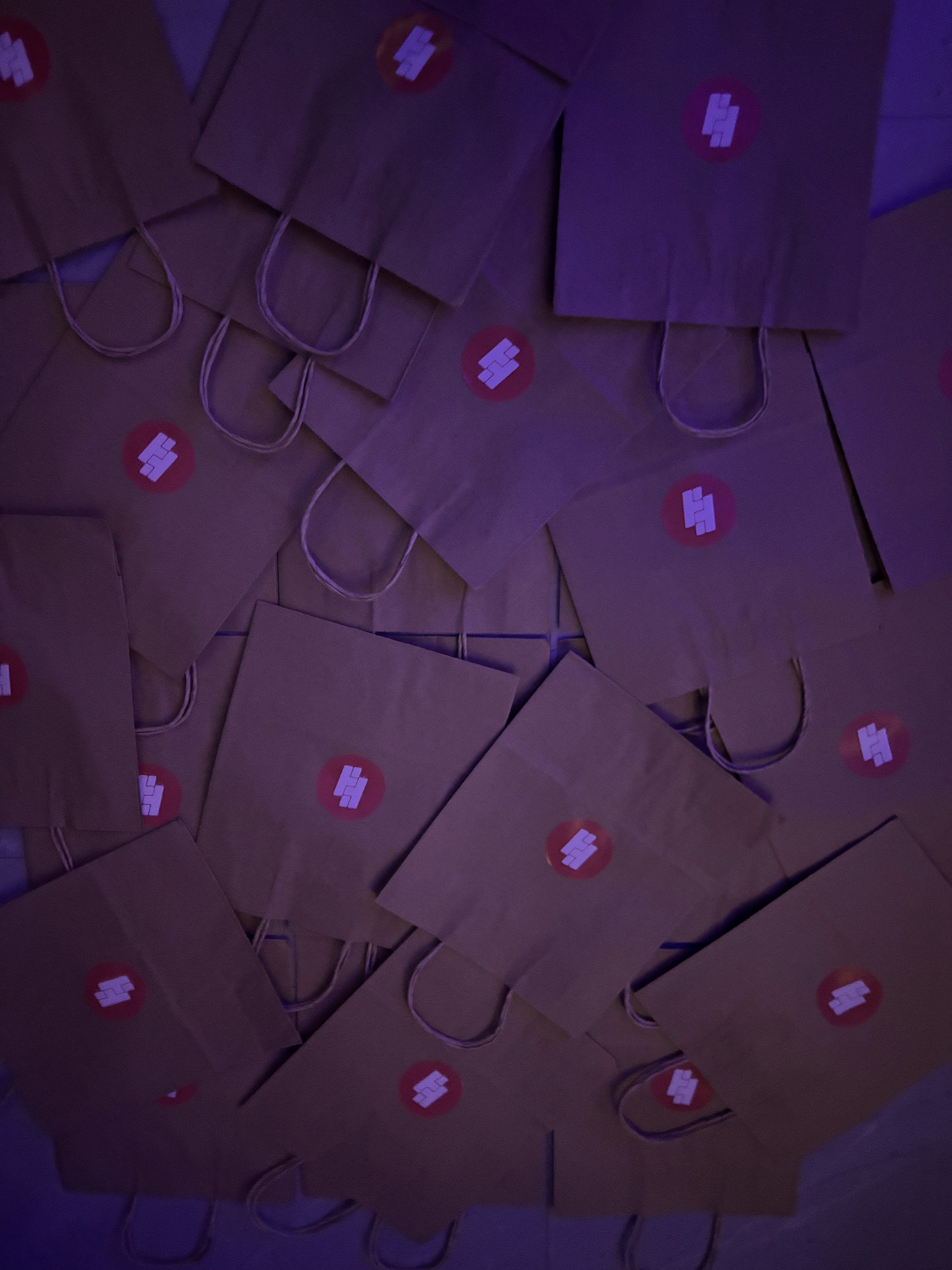
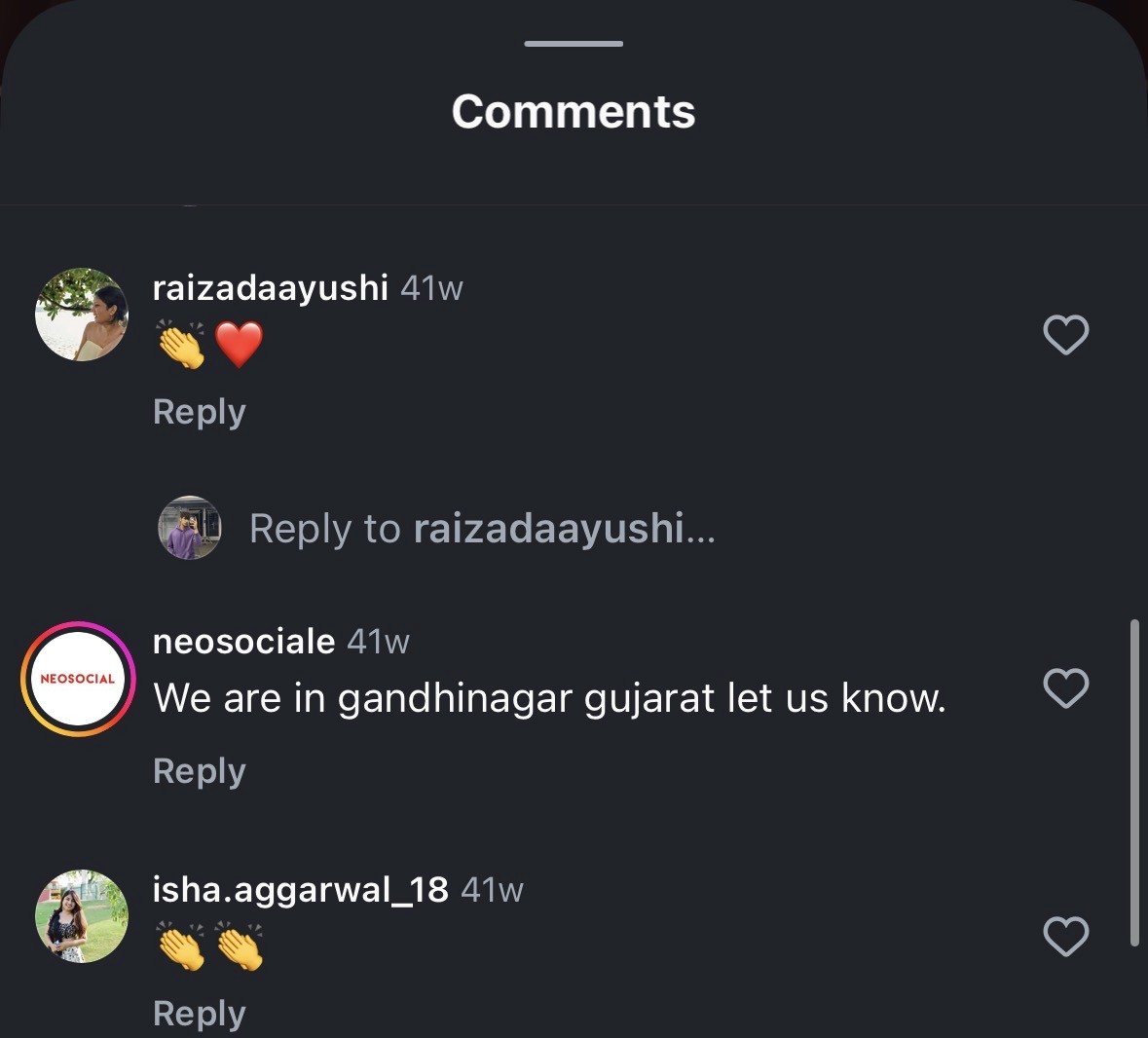
We planned everything from scratch weekly reels, content ideas, flyers, and emailing very college n gandhinagar. That consistency and visibility slowly started working, and soon brands themselves began reaching out to us, giving our project unexpected traction.
The Big Collaboration
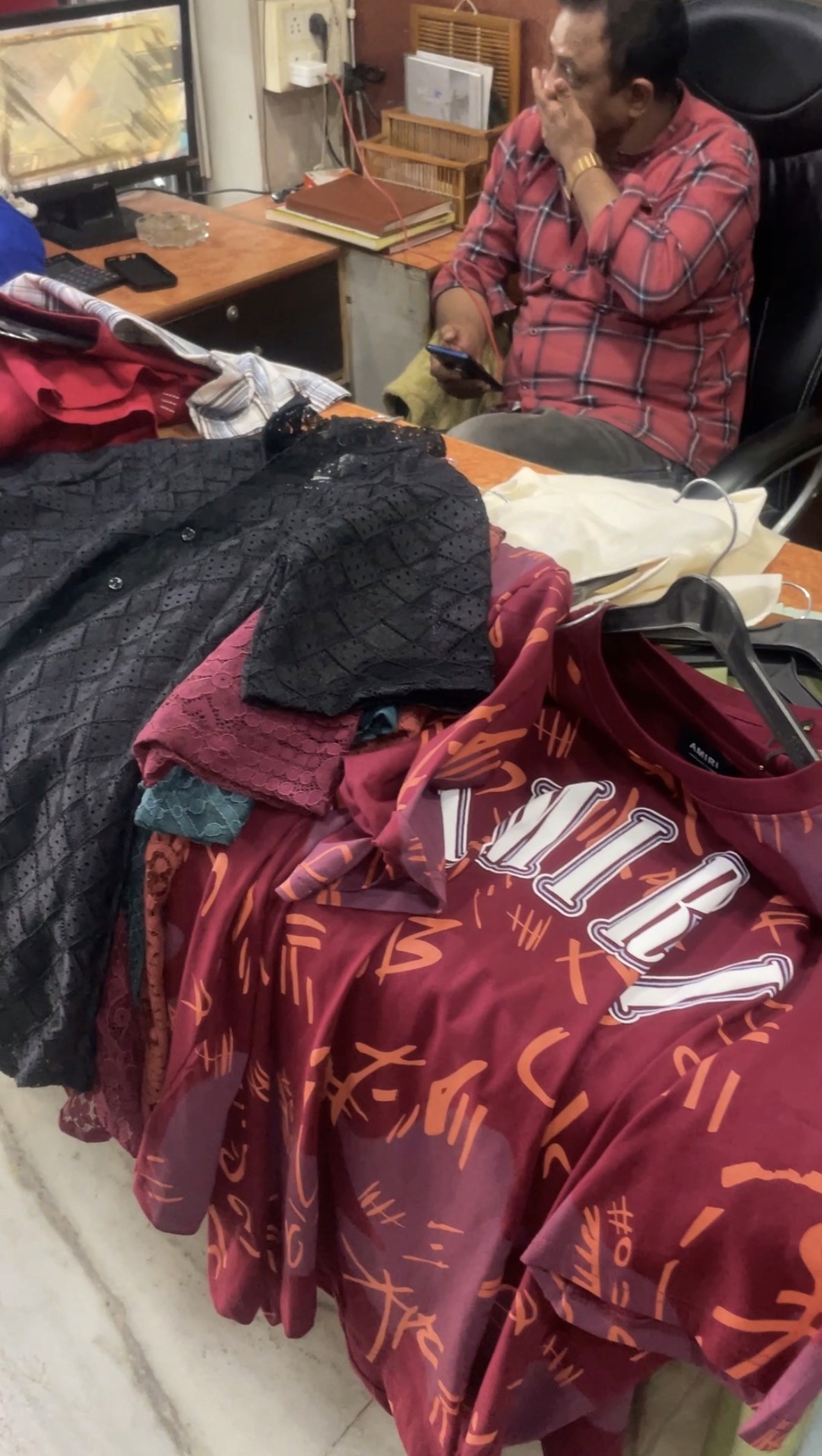
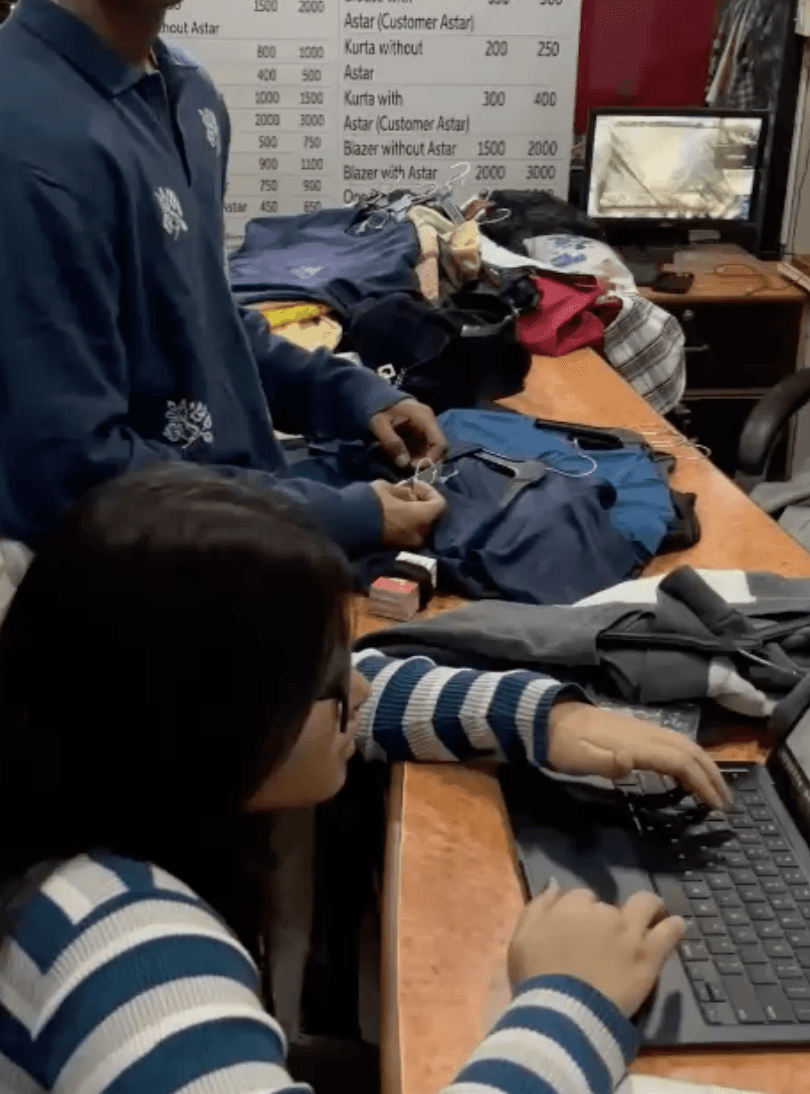
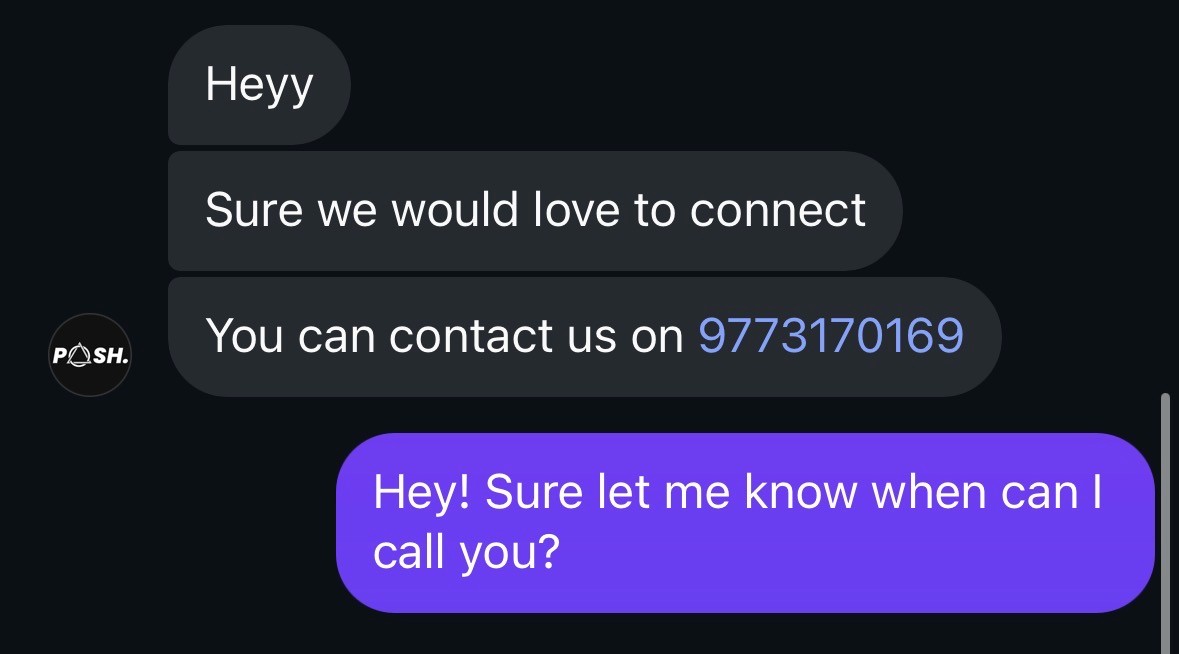
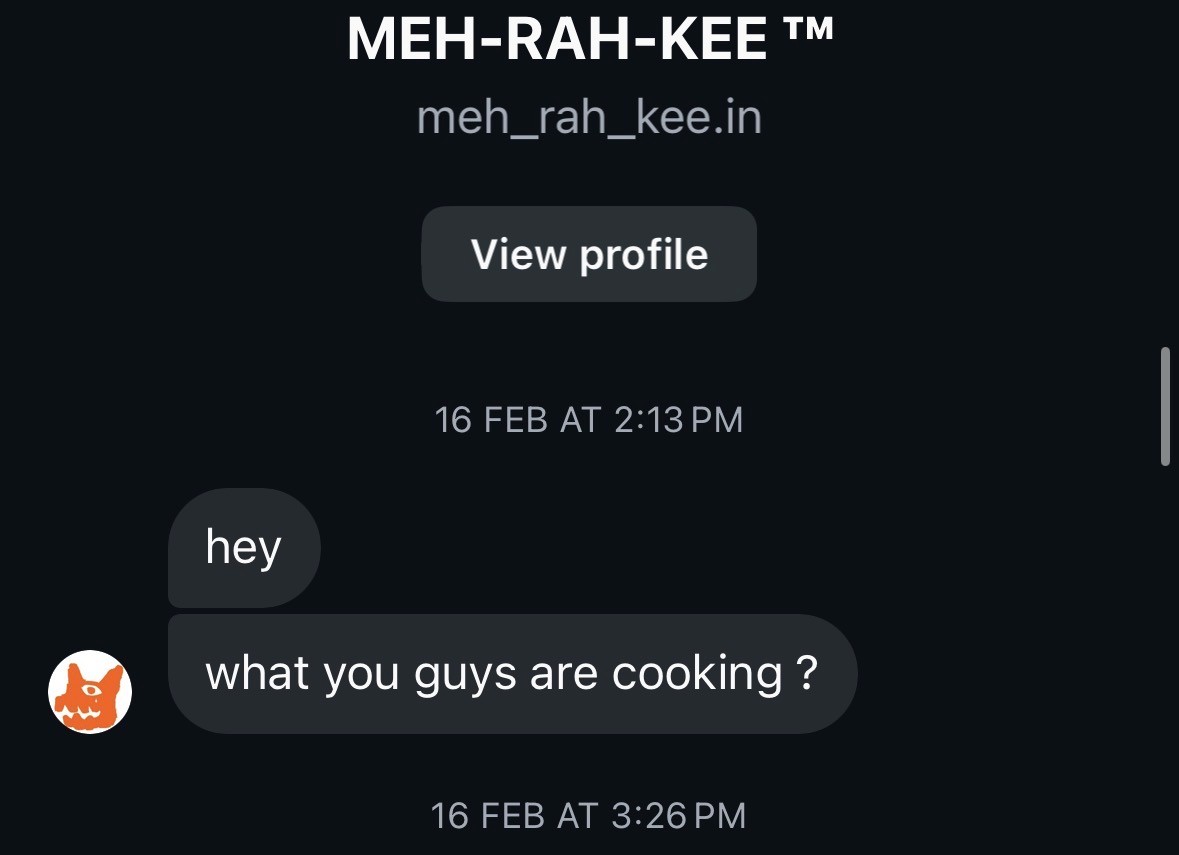
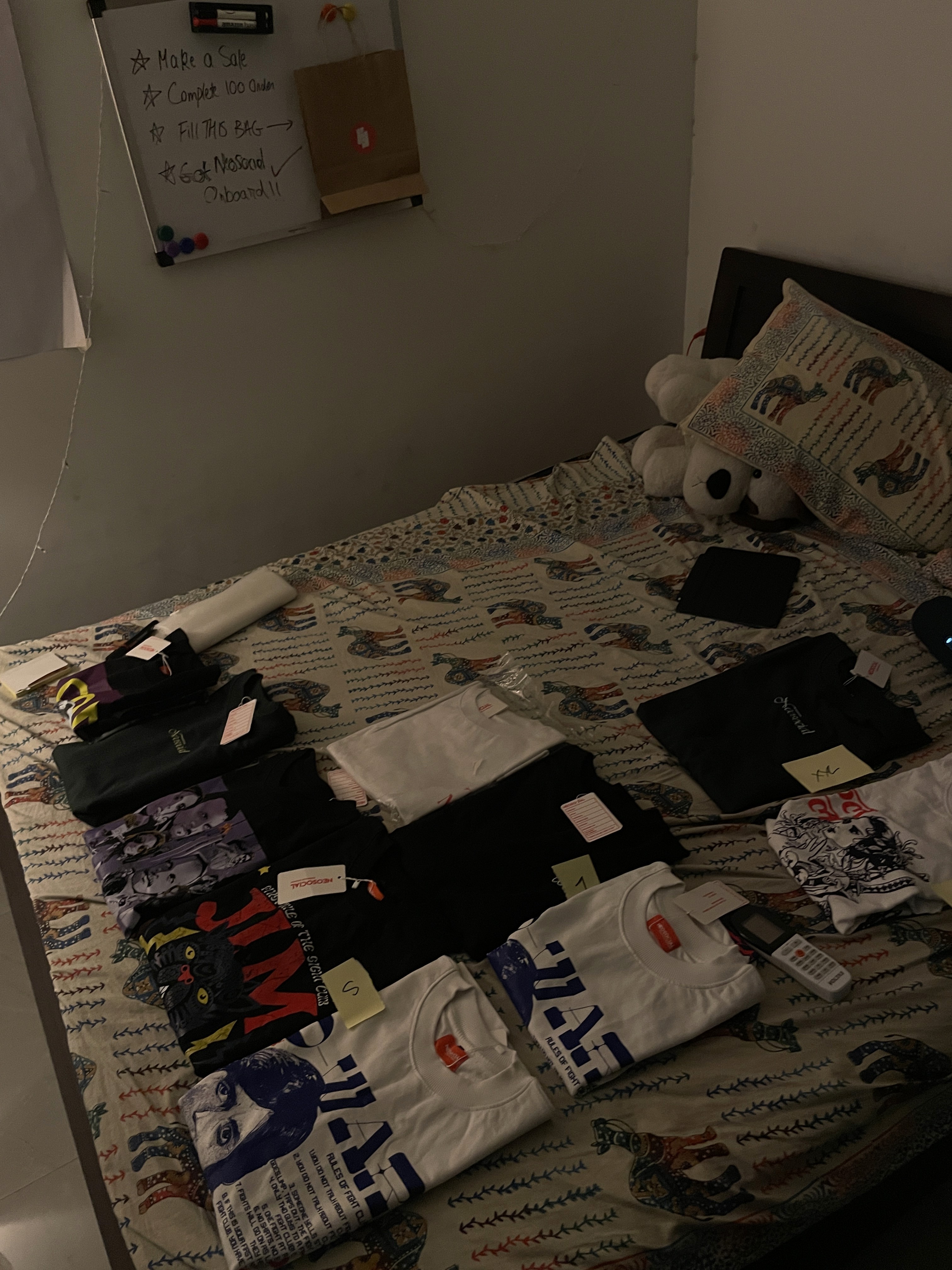
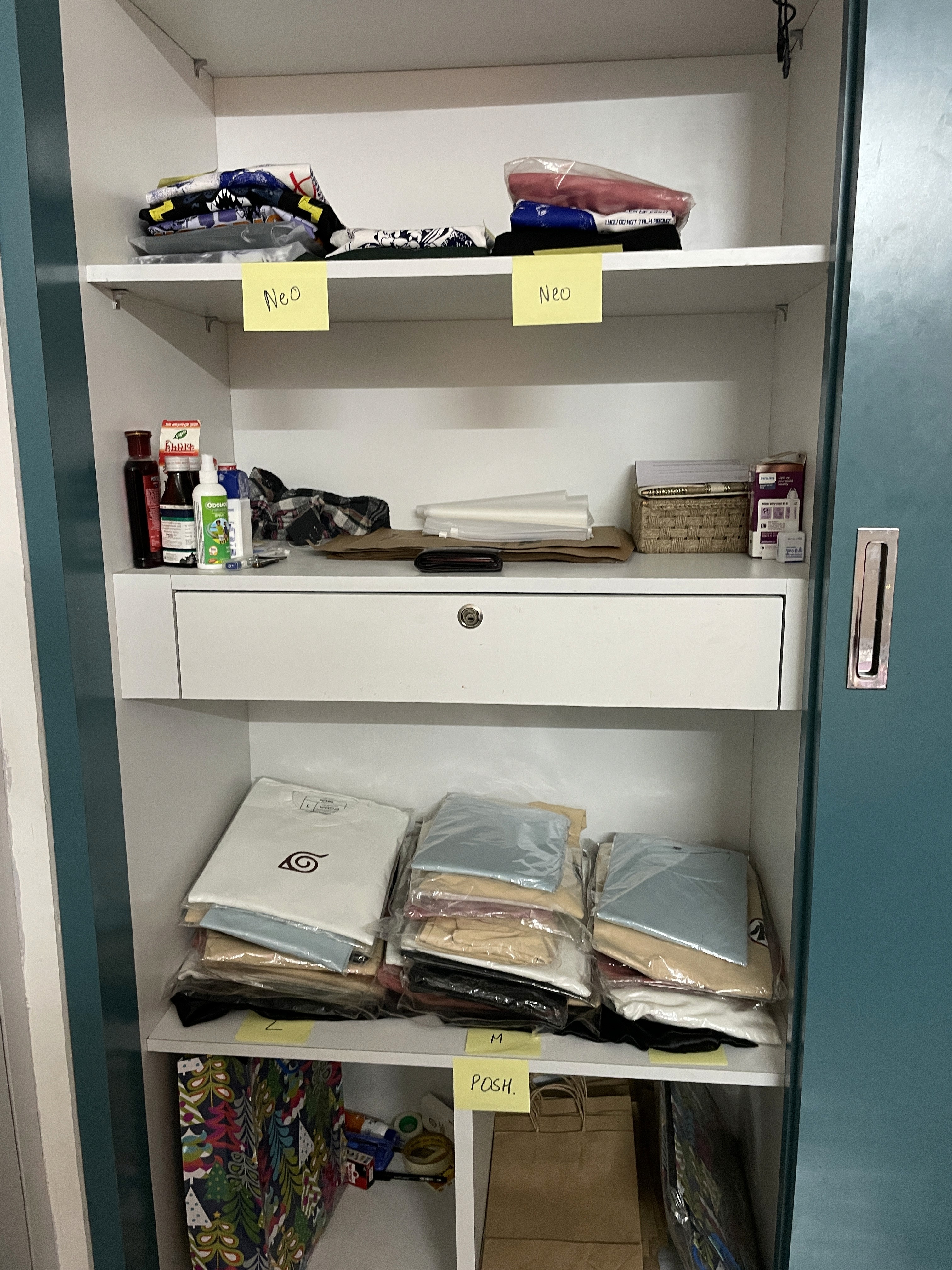
We were soon approached by a few homegrown brands that wanted us to shoot and showcase their stock. We didn’t even have proper space to store everything, but we still took it on because we believed in the opportunity. Clothes were everywhere, but what we gained was far bigger genuine relationships and lifelong connections with the founders behind those brands.
New Steps Forward
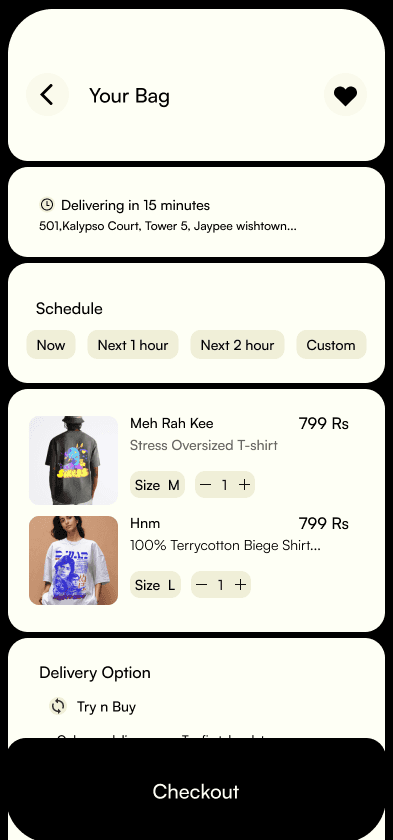
As orders came in, we realised the idea needed more structure. We added small policies like Try & Buy and explored new features like an Outfit Randomizer to make the experience more fun. This was the point we stopped just fulfilling orders and started shaping the next version of the product.

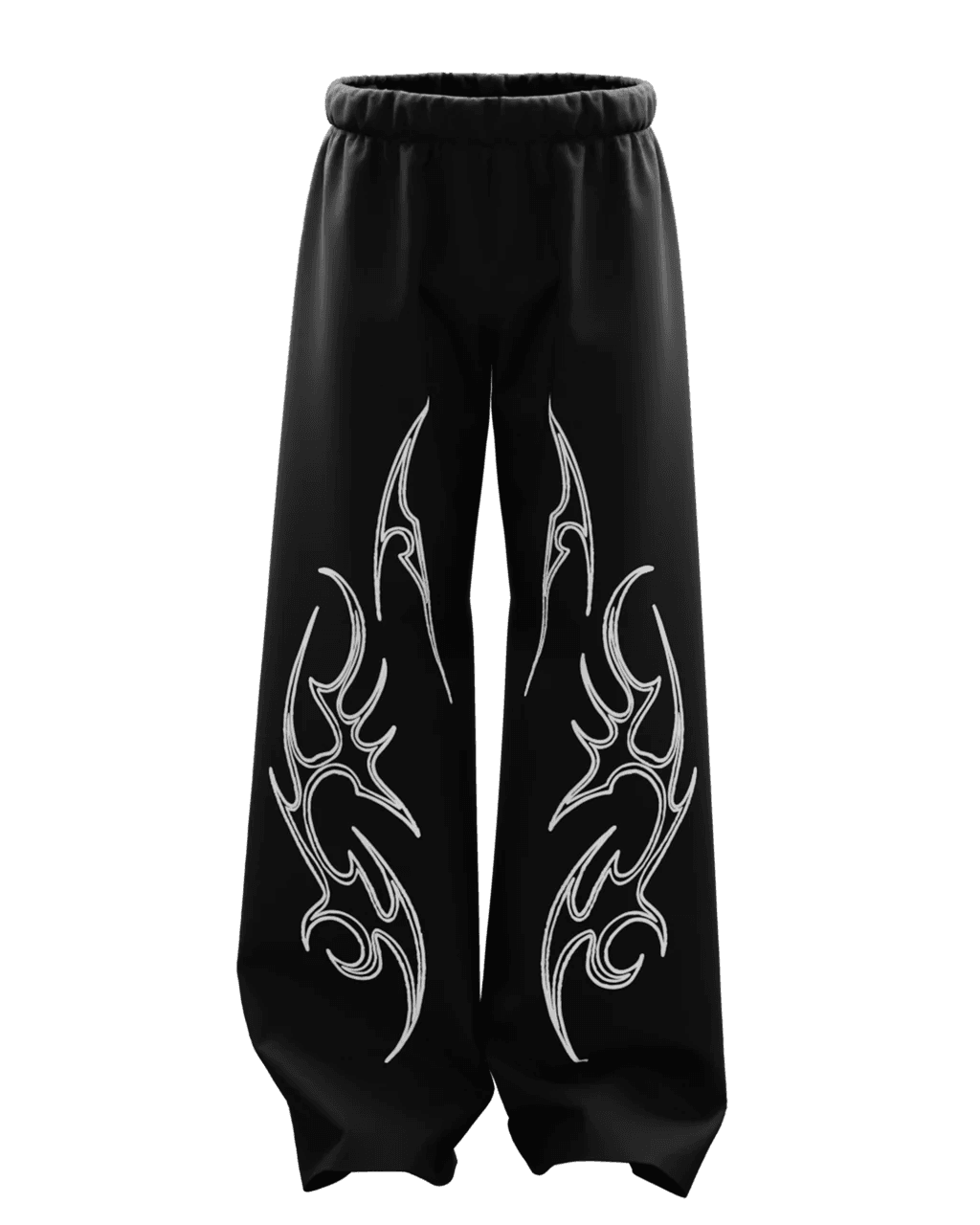
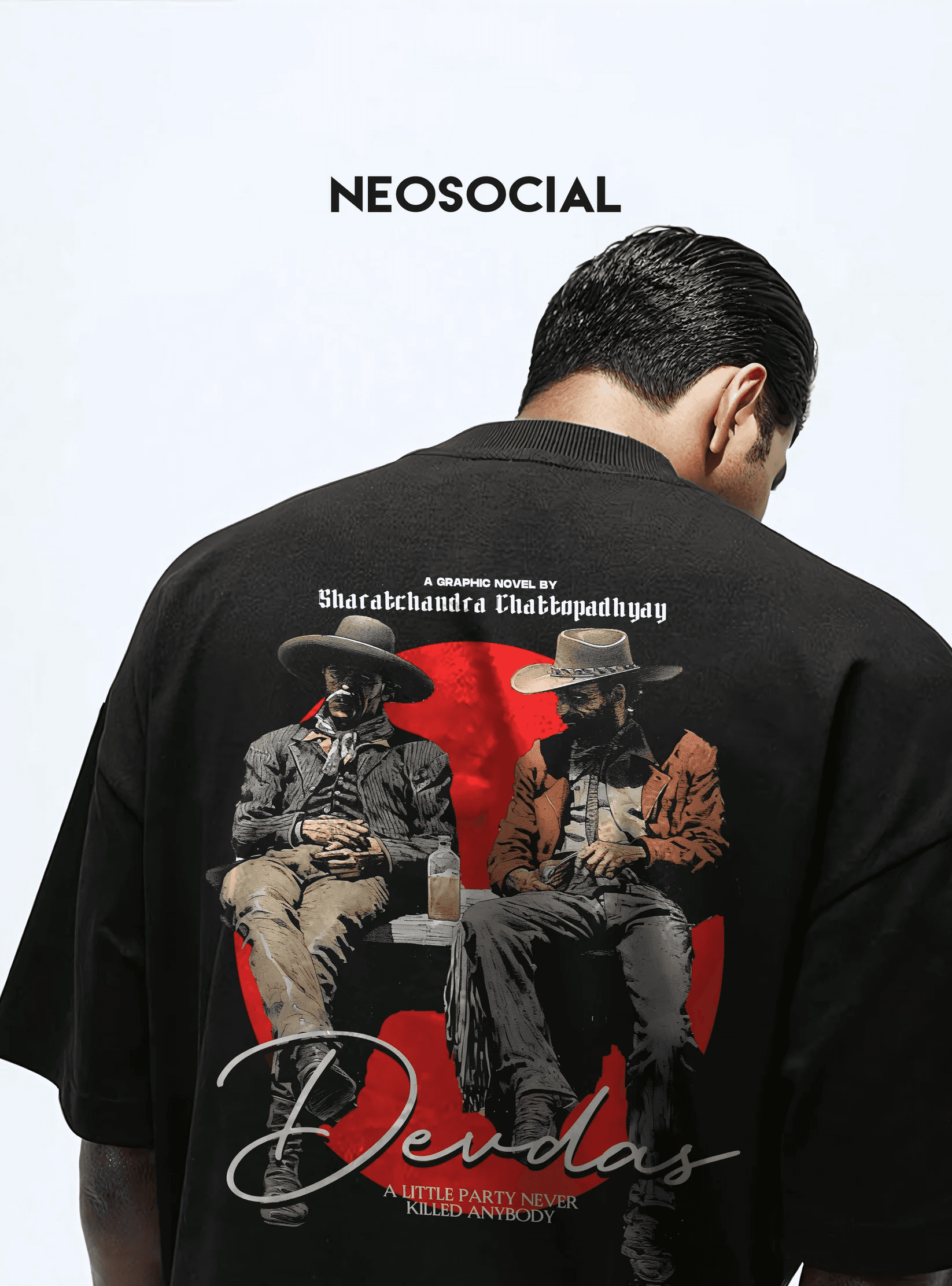
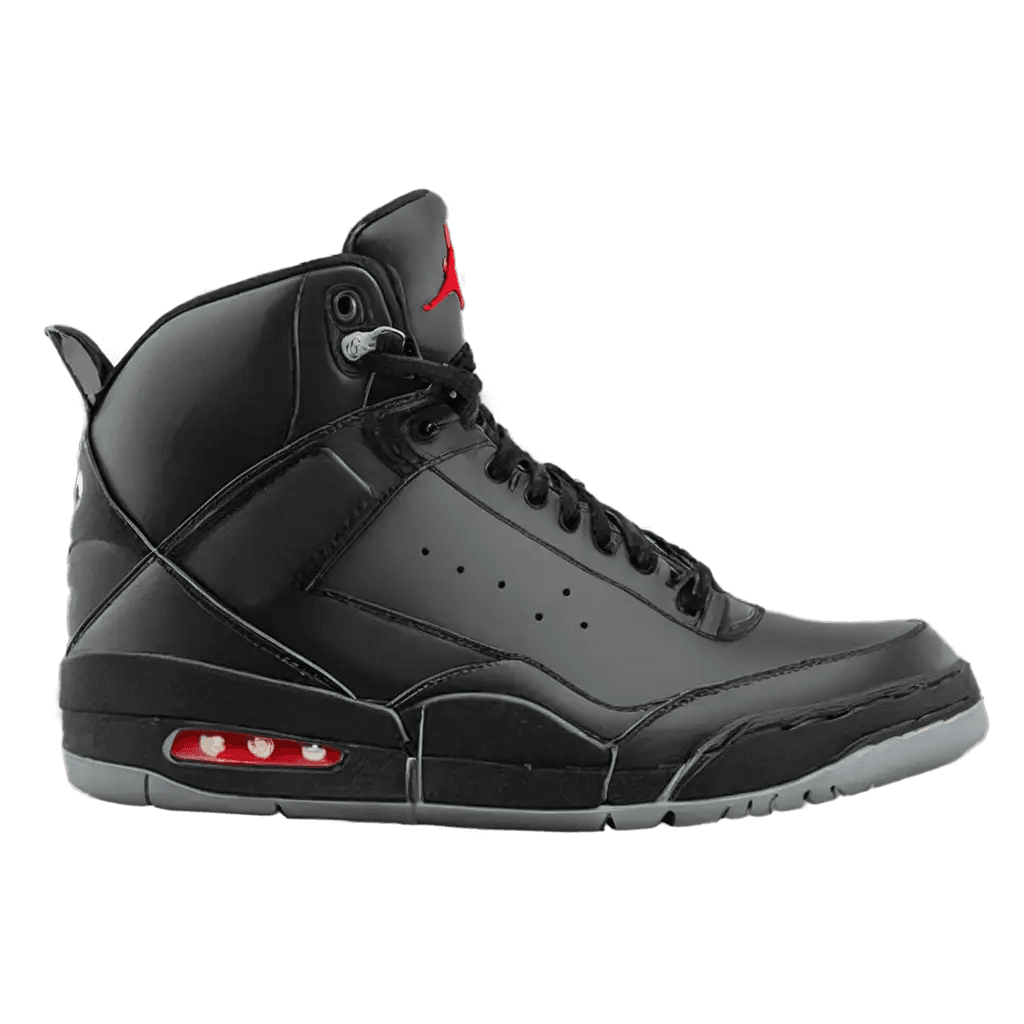
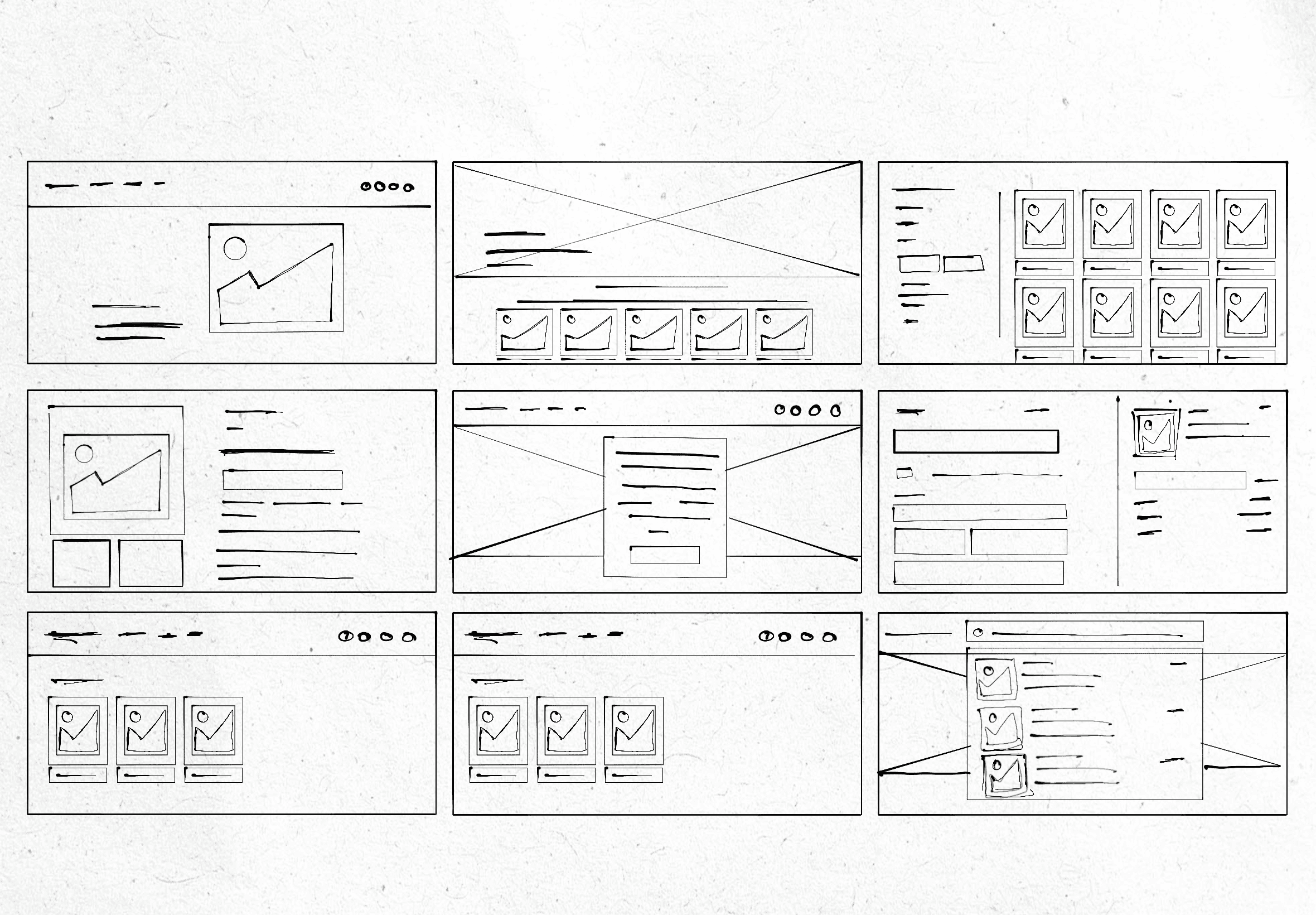
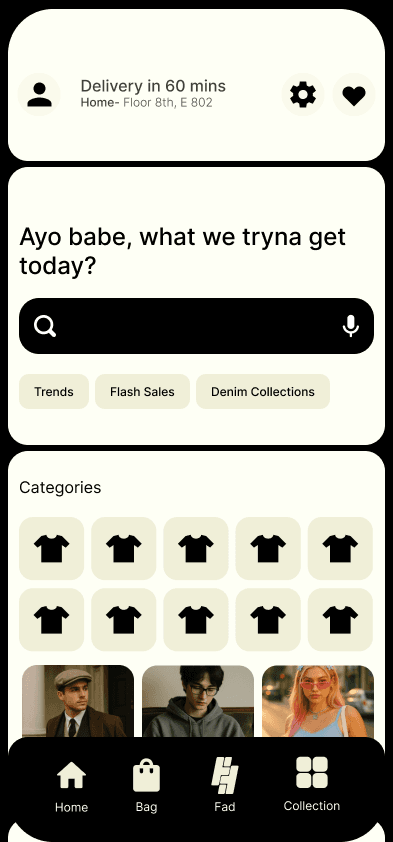
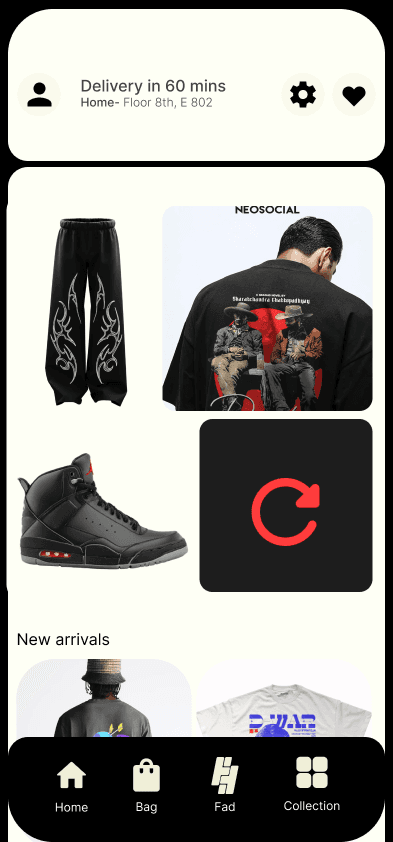
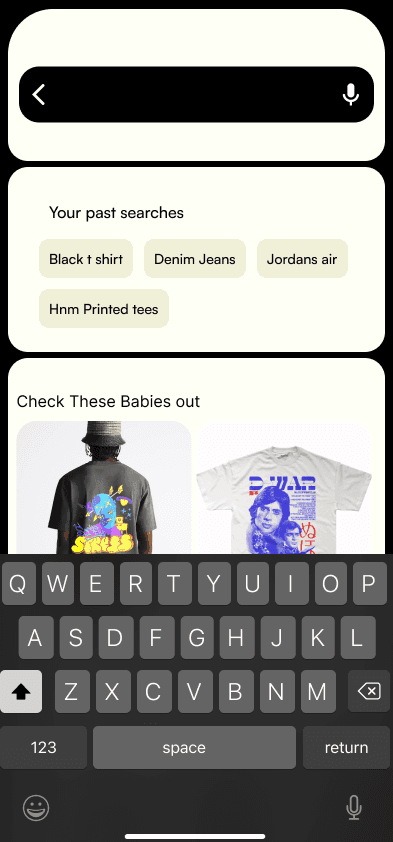
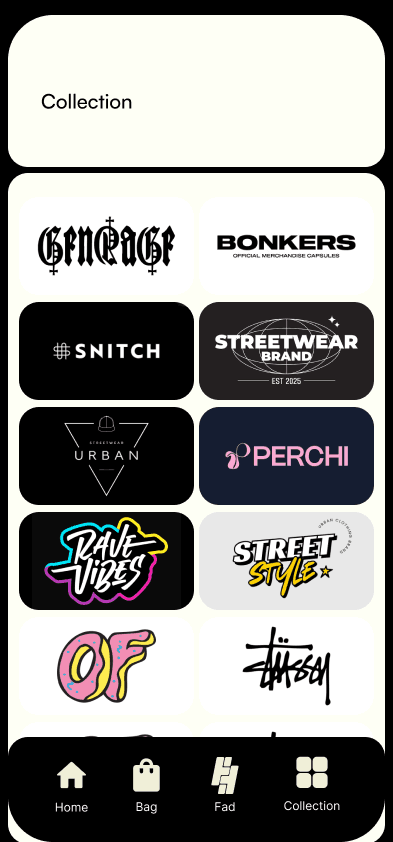
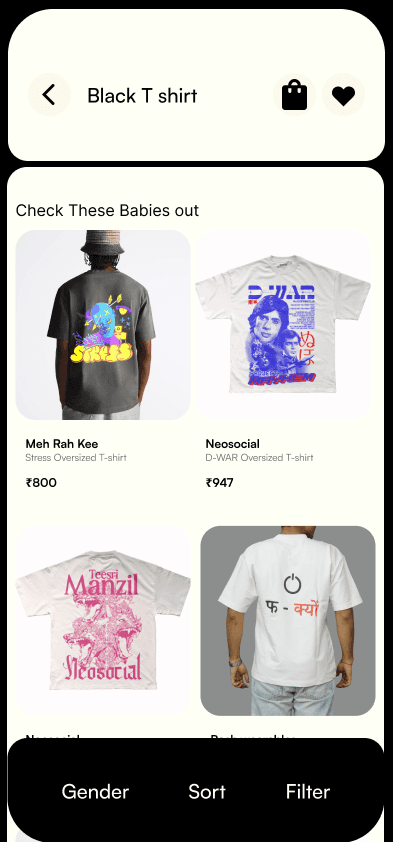
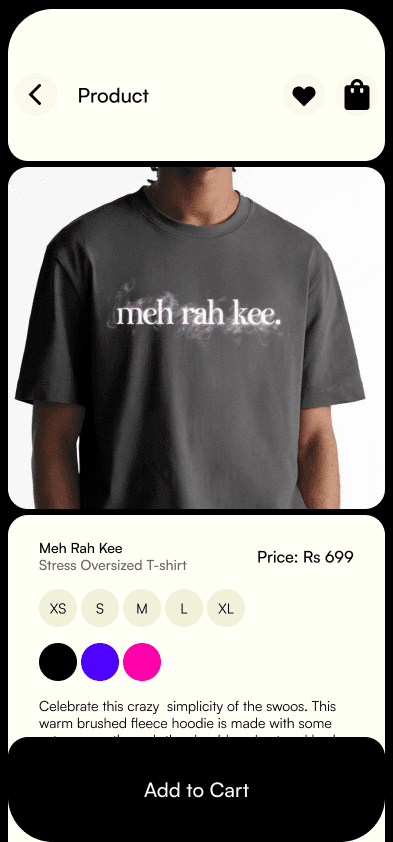
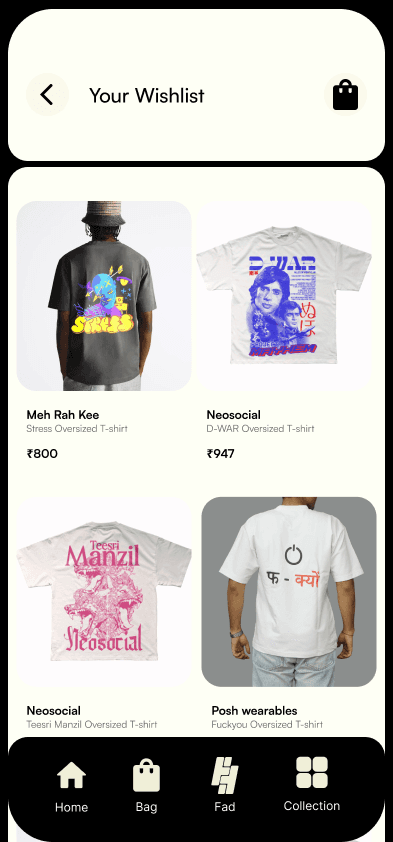
Hi-Fidelity Screens
Refined visuals that bring the experience to life — every color, icon, and swipe designed to feel personal and seamless for the user.
What This Journey Taught Me
This journey taught me more about leadership than I ever expected. Obstacles came again and again. Teams didn’t always believe in the vision. People had the power to build or break my dreams. I learned how important it is to show yourself to the world—because everyone is just as scared as you are. I realised how often we overestimate things and forget the value of slowing down; when you run too fast, the chances of falling rise just as quickly. And to build anything meaningful, I now know what truly matters: strong relationships, perseverance, and the ability to bounce back from any setback.